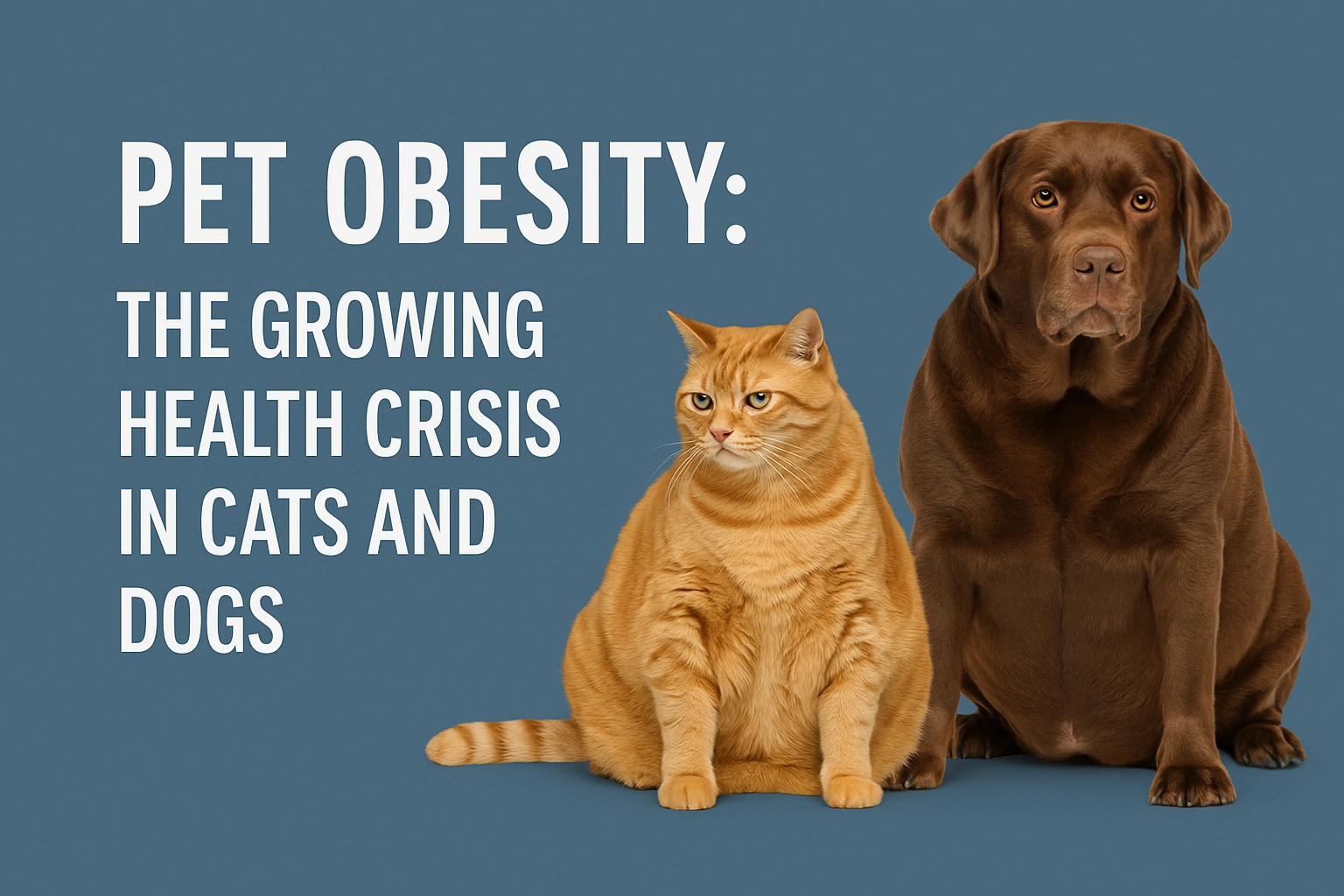
In recent years, one of the biggest concerns for pet owners and veterinarians alike has been the rising epidemic of pet obesity. As more people open their homes to furry companions, a troubling trend has emerged — an increasing number of pets are gaining too much weight, and with it, a range of serious health issues. According to recent statistics, nearly 60% of cats and 56% of dogs in the United States are classified as overweight or obese. This trend is not just an isolated phenomenon but a global crisis that threatens the quality and length of pets’ lives.
Obesity in pets doesn’t just affect their waistlines. It impacts their joints, heart, metabolism, and overall quality of life. Understanding why this happens and how to prevent it is critical for every responsible pet parent.
What is Pet Obesity?
Pet obesity is defined as an excess accumulation of body fat that negatively impacts an animal’s health. Similar to humans, pets require a balanced intake of calories and regular activity to maintain a healthy body weight. However, when calories consumed exceed calories burned, pets gain weight.
Obesity in pets occurs when:
-
Their daily calorie intake surpasses their daily energy expenditure.
-
They have limited physical activity.
-
Underlying medical conditions affect metabolism and appetite.
While certain breeds and older pets may be more prone to gaining weight, obesity can affect any dog or cat regardless of their background.
The Alarming Rise of Obesity in Dogs and Cats
Over the last decade, veterinary studies have confirmed an alarming trend:
✅ In the United States, roughly 1 in 3 dogs and cats is now obese.
✅ In the United Kingdom, 46% of dogs and roughly 40% of cats carry excess weight.
✅ Similar patterns are observed in other countries, making pet obesity a global challenge.
This crisis doesn’t discriminate — it affects pets of every breed, age, and gender. Yet many owners fail to recognize that their pets are overweight until a vet raises the issue.
Why is Pet Obesity a Growing Health Crisis?
Obesity can lead to serious health complications for pets, affecting nearly every aspect of their well-being:
1. Increased Risk of Chronic Conditions
Obese pets are prone to illnesses such as:
-
Arthritis and Joint Problems: Excess weight puts additional strain on the joints, leading to discomfort and mobility issues.
-
Heart Disease: The heart has to work harder to pump blood throughout the body, leading to long-term cardiovascular strain.
-
Diabetes: Excess body fat can cause insulin resistance, making pets more susceptible to diabetes.
-
Respiratory Issues: Excess weight can affect breathing and reduce overall stamina.
2. Reduced Life Expectancy
Research shows that obese dogs and cats tend to live 1–2 years less than their lean counterparts. Reduced quality of life due to obesity can be devastating for both pets and owners.
3. Lowered Quality of Life
An overweight pet may struggle with:
-
Reduced activity and playfulness.
-
Chronic discomfort and irritability.
-
An increased risk of skin and bladder infections due to inactivity.
Common Causes of Pet Obesity
To effectively manage and prevent obesity in pets, it’s crucial to understand its root causes:
✅ Overfeeding: Generous portions of kibble, treats, and table scraps can quickly lead to weight gain.
✅ Lack of Exercise: Dogs and cats that don’t get enough physical activity are more likely to gain weight.
✅ High-Calorie Diet: Feeding pets rich foods or too many treats can cause excess caloric intake.
✅ Age and Neutering: Older and neutered pets have slower metabolism and may require fewer calories.
✅ Medical Conditions: Certain illnesses, like hypothyroidism or Cushing’s disease, can cause weight gain.
✅ Genetics: Some breeds have a predisposition for obesity.
✅ Human Behavior: Treating pets as “family” can lead owners to indulge them with too much food.
Also Visit: yandex games
Recognizing Obesity in Cats and Dogs
Pet owners often struggle to recognize when their pets are overweight. Here are some common indicators:
In Dogs:
-
No noticeable waistline when viewed from above.
-
Difficulty feeling ribs or spine when palpated.
-
Reduced energy and reluctance to exercise.
In Cats:
-
Sagging belly that sways when walking.
-
Inability to groom themselves properly.
-
Breathing discomfort during mild activity.
If you notice these signs, it may be time for a veterinary consultation.
The Impact of Obesity on Pet Behavior
Obesity doesn’t just affect pets physically — it impacts their behavior as well. Pets carrying excess weight often:
-
Become irritable due to discomfort.
-
Avoid social interactions.
-
Show reluctance to walk or play.
-
Spend more time sleeping and resting.
These changes can negatively affect the bond between pets and their owners.
The Role of Diet in Managing Pet Obesity
Proper nutrition is the cornerstone of achieving and maintaining a healthy weight for pets. Here are some actionable steps:
✅ Portion Control: Measure meals precisely using a veterinary-recommended guide.
✅ Quality Food: Choose balanced, high-protein, low-fat, and low-calorie diets tailored to your pet’s needs.
✅ Treat Moderation: Avoid overindulgence — treats should comprise no more than 10% of daily calorie intake.
✅ Scheduled Feedings: Maintain regular feeding times to control intake and reduce begging behavior.
✅ Avoid Table Scraps: Human foods can be calorie-dense and harmful for pets.
Exercise: Helping Your Pet Stay Active
Physical activity is vital for pets to maintain a healthy weight and overall well-being:
✅ For Dogs:
-
Aim for at least 30–60 minutes of activity daily.
-
Incorporate walks, fetch, or swimming to keep them engaged.
✅ For Cats:
-
Use interactive toys like lasers or feather wands.
-
Create a stimulating environment with cat trees and spaces for climbing.
Regular exercise improves cardiovascular health, boosts metabolism, and strengthens the bond between pets and their owners.
Also Visit: yandex games
Medical and Professional Support
If your pet is obese or gaining weight despite lifestyle changes, seek veterinary advice. Your vet may:
-
Conduct a thorough examination.
-
Identify underlying medical conditions.
-
Suggest a tailored weight loss program.
-
Recommend prescription diets or supplements.
-
Monitor progress through regular weigh-ins.
Prevention: The Best Cure
The best approach to dealing with obesity is prevention. Here’s how you can stay proactive:
✅ Maintain a regular feeding and exercise routine.
✅ Avoid overindulgence with treats and table scraps.
✅ Monitor your pet’s weight and body condition every few months.
✅ Incorporate interactive play and mental stimulation.
✅ Stay in close contact with your vet for routine health assessments.
Frequently Asked Questions (FAQs)
Q1. What is the ideal weight for a dog or cat?
Ideal weight varies by breed, age, and individual body structure. Consult your vet for an accurate assessment of your pet’s ideal weight range.
Q2. How can I tell if my pet is overweight?
Check for a visible waistline, palpable ribs, and an active demeanor. If your pet has a sagging belly, difficulty breathing, or struggles with activity, it may be overweight.
Q3. Will my obese pet live a shorter life?
Studies confirm that obese pets can lose 1–2 years of their lifespan compared to leaner pets. Maintaining a healthy weight can help them live longer and better.
Final Thoughts: Helping Your Pet Lead a Healthier Life
The rising trend of pet obesity is an urgent call to action for pet owners, veterinarians, and communities. Obesity impacts every aspect of an animal’s life, from their physical health to their emotional well‑being. The good news is that it can be prevented and managed through responsible feeding, regular exercise, and veterinary support.
Remember, your pet depends on you for their health and happiness. By making a few changes — choosing better foods, avoiding overfeeding, and making activity a daily routine — you can help your furry companion enjoy a longer, healthier, and more fulfilling life.
Also Visit: yandex games
Also Visit: yandex games
Also Visit: yandex games