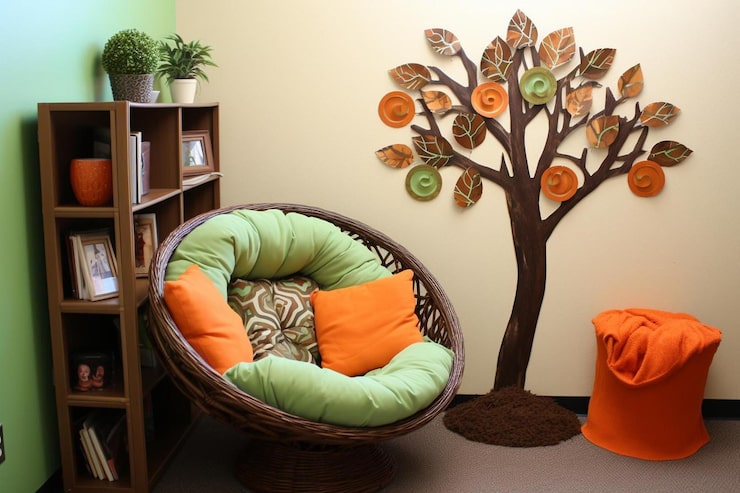
Small home furniture ideas are no longer just about fitting things into tight spaces—they are about living better, smarter, and more comfortably.
Modern homes are getting smaller, especially in urban areas, but expectations for comfort and style continue to rise. Whether it’s a compact apartment, a studio flat, or a cozy family home, the right furniture choices can completely change how a space feels and functions. This guide is built on real-life experiences, design expertise, and practical planning to help you make the most of every square foot.
Why Small Homes Need Smarter Furniture Planning
Small homes magnify every design decision.
A single bulky sofa or oversized cabinet can make a room feel cramped and chaotic. Thoughtful furniture selection allows movement, light flow, and usability to coexist. Interior designers consistently emphasize that smart furniture choices matter more in small homes than in large ones.
This is where small home furniture ideas become essential rather than optional.
Understanding Space Before Buying Furniture
Every small home tells a different story.
Some struggle with limited floor area, while others lack storage or natural light. Understanding these challenges before buying furniture prevents costly mistakes. Measuring walls, doorways, and walking paths helps you visualize how pieces will actually fit.
Furniture that works on paper but not in real life often leads to frustration.
Living Room Furniture for Compact Spaces
The living room is usually the heart of a small home.
Compact sofas with clean lines create openness. Raised legs visually expand the space by allowing light to pass underneath. Choosing furniture that feels light rather than bulky keeps the room breathable.
Real-life examples show that fewer well-chosen pieces outperform crowded layouts.
Multi-Functional Furniture as a Space Saver
Multi-functional furniture is a quiet hero in small homes.
A sofa that doubles as a guest bed or a coffee table with hidden storage reduces the need for extra furniture. These designs are not gimmicks anymore; they are carefully engineered for daily use.
Well-designed multifunctional furniture improves both comfort and efficiency.
Dining Furniture That Adapts
Dining areas often feel like a luxury in small homes.
Compact dining tables that expand only when needed make everyday life easier. Foldable or stackable chairs can be tucked away when not in use. This flexibility allows dining spaces to coexist with living areas without conflict.
Smart dining furniture reflects thoughtful living.
Bedroom Furniture for Small Homes
Bedrooms should feel restful, not crowded.
Low-profile beds visually increase ceiling height. Storage beds help eliminate the need for extra cupboards. Wardrobes with sliding doors save valuable floor space.
Many homeowners find that the right bedroom furniture transforms sleep quality and organization.
Storage Solutions That Blend With Furniture
Storage is the biggest challenge in small homes.
Furniture that incorporates storage without looking heavy creates balance. Cabinets that align with walls, beds with drawers, and benches with compartments maintain visual harmony.
Practical storage is the backbone of effective small home furniture ideas.
Home Office Furniture for Limited Space
Work-from-home setups are now common, even in small homes.
Compact desks that fit into corners or wall-mounted workstations provide functionality without dominating the room. Chairs that tuck fully under desks help keep spaces tidy.
A well-planned home office supports productivity without sacrificing comfort.
Kitchen Furniture in Small Homes
Small kitchens demand efficiency.
Compact islands, narrow cabinets, and pull-out units maximize usability. Furniture designed specifically for small kitchens often includes clever storage features that reduce clutter.
Good kitchen furniture improves daily routines more than extra square footage.
Choosing Furniture Proportions Wisely
Proportion matters more than size alone.
Furniture that is too tall or wide overwhelms small rooms. Lower-height furniture creates openness. Slim arms on sofas and chairs preserve seating space without adding bulk.
Designers often prioritize proportion over decoration.
Light and Color Impact on Furniture Choices
Furniture color affects how space feels.
Lighter shades reflect light, making rooms appear larger. Neutral furniture adapts easily to changing décor. Dark furniture can work when balanced with adequate lighting and open layouts.
Color decisions should support spatial perception.
Open Shelving vs Closed Furniture
Open shelving creates visual lightness.
It works best when items are organized and minimal. Closed storage hides clutter but can feel heavy if overused. The balance between open and closed furniture shapes how spacious a room feels.
Experienced homeowners often mix both thoughtfully.
Real-Life Story of a Small Apartment Makeover
A young professional moved into a 450-square-foot apartment.
Instead of filling it quickly, they lived in the space first. Over time, they added furniture piece by piece, prioritizing functionality. A compact sofa, a foldable dining table, and a storage bed transformed the apartment into a comfortable home.
Their journey highlights how small home furniture ideas work best when guided by real needs.
Modular Furniture for Flexibility
Modular furniture adapts as life changes.
Sections can be rearranged or expanded. This flexibility suits small homes where needs evolve over time. Modular designs support creativity without committing to fixed layouts.
Flexibility equals long-term value.
Furniture Placement and Flow
Placement is as important as furniture choice.
Blocking natural pathways makes spaces feel smaller. Leaving breathing room around furniture improves flow. Thoughtful placement enhances comfort and usability.
Even the best furniture fails if placed poorly.
Vertical Space as an Untapped Resource
Walls offer valuable space.
Tall shelving units and wall-mounted cabinets free up floors. Using vertical space smartly prevents overcrowding while increasing storage.
Vertical thinking is central to modern small-home design.
Choosing Durable Furniture for Small Homes
Small homes demand durable furniture.
Frequent use and limited space mean furniture must withstand daily wear. Quality materials and solid construction reduce the need for replacements.
Durability enhances affordability over time.
Furniture That Supports Minimal Living
Minimalism thrives in small homes.
Furniture with clean lines and limited ornamentation reduces visual noise. This simplicity helps spaces feel calm and organized.
Minimal furniture does not mean less comfort.
Technology and Smart Furniture Design
Smart furniture designs are becoming mainstream.
Hidden charging ports, adjustable components, and space-saving mechanisms add convenience. These features enhance usability without adding clutter.
Technology supports smarter living in compact spaces.
Balancing Comfort and Space Efficiency
Comfort should never be sacrificed.
Well-designed furniture offers ergonomic support without excessive size. Slim profiles can still provide comfort when designed thoughtfully.
The best small home furniture ideas balance comfort with efficiency.
Children’s Furniture in Small Homes
Families in small homes face unique challenges.
Furniture that grows with children saves space and money. Bunk beds, study desks with storage, and compact wardrobes support evolving needs.
Adaptability is key in family-friendly small homes.
Entryway Furniture for Tight Spaces
Entryways often get overlooked.
Slim shoe cabinets, wall hooks, and narrow benches create order without clutter. Functional entry furniture sets the tone for the rest of the home.
First impressions matter, even in small homes.
Mixing Furniture Styles Carefully
Mixing styles adds personality.
However, too many styles can overwhelm small spaces. A cohesive theme with subtle variations maintains harmony.
Consistency supports visual calm.
Avoiding Common Small-Space Furniture Mistakes
Overfurnishing is the most common mistake.
Buying furniture without measuring or planning leads to congestion. Prioritizing function over impulse prevents regret.
Experience teaches restraint.
Long-Term Thinking in Furniture Selection
Small homes benefit from long-term thinking.
Furniture that adapts, lasts, and serves multiple purposes provides lasting value. Trends fade, but functionality remains relevant.
Smart choices stand the test of time.
Emotional Comfort in Small Homes
Furniture shapes how homes feel emotionally.
Clutter-free layouts reduce stress. Comfortable seating and organized storage improve daily life. Emotional comfort matters as much as physical comfort.
Well-planned furniture supports well-being.
Creating Personal Style in Limited Space
Small homes still deserve personality.
Furniture choices reflect individual taste. Thoughtful accents, textures, and finishes add character without crowding.
Personal style thrives within smart boundaries.
Sustainable Furniture for Small Living
Sustainability aligns naturally with small homes.
Durable, responsibly sourced furniture reduces waste. Investing in quality over quantity supports both lifestyle and environment.
Sustainable choices reflect mindful living.
The Future of Small Home Living
Urban living continues to evolve.
As homes shrink, furniture innovation grows. Designers focus on adaptability, comfort, and efficiency. The future belongs to furniture that supports flexible living.
By understanding space, prioritizing functionality, and choosing wisely, small home furniture ideas empower homeowners to create spaces that feel open, comfortable, and deeply personal—no matter how limited the square footage.
Read also:
1134679062
16137469140
is hily dating app legit
hily dating app review