Daily Driving System Changes
Everyday mobility feels simple on surface but automotive systems underneath carry constant adjustments that most users never notice directly. People just start the vehicle and expect smooth movement without thinking about hidden coordination happening inside. Small vibrations, sound shifts, and throttle response changes all become part of normal routine without deeper attention.
There is also a quiet dependency forming between humans and machines over time, where operation becomes automatic habit instead of active observation. Even short city trips involve multiple internal decisions made by the system itself. That silent operation creates the feeling of simplicity even when complexity keeps increasing underneath daily use.
Engine Design Adjustment Layers
Development of modern engines has moved toward layered control systems that balance efficiency, performance, and durability at the same time. Instead of focusing on one strong output direction, engineers now try to stabilize behavior across many driving conditions. That creates a more controlled experience during normal use.
This balance approach reduces extreme behavior but increases consistency in real-world situations. Drivers may not notice internal calibration changes happening continuously, but they do experience smoother performance across traffic, highway, and idle conditions. The entire system feels more refined even when complexity is significantly higher inside.
Road Behavior Adaptation Flow
City environments influence how automotive systems respond because movement rarely stays stable for long periods. Frequent stopping, sudden acceleration, and irregular spacing between vehicles create constant adjustment cycles inside the machine. These changes happen without user awareness most of the time.
Drivers also adjust their behavior without formal thinking. They begin to anticipate traffic flow, reduce unnecessary acceleration, and maintain smoother braking habits. Over time, this becomes natural driving rhythm shaped by external conditions rather than conscious planning or mechanical awareness.
Mechanical System Evolution Shift
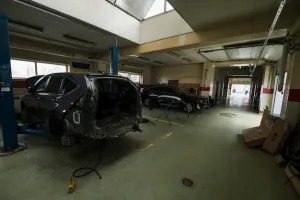
Workshops today treat motors differently compared to older mechanical eras where diagnosis depended heavily on physical feel and sound interpretation. Now electronic tools provide structured data that guides almost every decision before manual inspection begins.
This has reduced guesswork and improved accuracy, but it has also changed how experience is valued in repair environments. Technicians now combine traditional knowledge with digital readings instead of relying purely on instinct. That shift makes repair work more precise but also more dependent on structured information systems.
Internal Control Response Behavior
Inside vehicles, modern engines rely heavily on continuous sensor input that adjusts performance in real time. These adjustments include airflow regulation, temperature balance, and load distribution across different driving situations. Everything happens in small increments that are not visible to users.
This constant correction process creates smoother driving experience even when external conditions change suddenly. The system reacts instantly to maintain stability, which reduces unpredictable behavior. Most drivers only feel the final output, not the multiple internal changes happening within fractions of time.
Urban Driving Load Pressure
In daily city usage, automotive systems face repeated stress cycles caused by stop-and-go traffic patterns. Instead of long continuous operation, vehicles experience short bursts of energy followed by idle periods. This creates uneven workload distribution over time.
Such conditions require systems that can handle frequent changes without losing stability. Modern designs are built to manage these irregular patterns efficiently. Drivers rarely think about this stress structure, but it directly influences how smooth or responsive the vehicle feels during different parts of a journey.
Workshop Intelligence Transformation
Understanding of motors in professional environments has shifted toward data-supported analysis rather than manual interpretation alone. Diagnostic systems now provide structured insights that guide repair direction before physical inspection begins.
This improves accuracy but also changes the skill requirements for technicians. Experience is still important, but it now works alongside digital systems that interpret machine behavior continuously. The workshop environment feels more technical and less dependent on traditional sensory judgment compared to earlier practices.
System Stability Engineering Focus
Modern vehicle architecture around modern engines emphasizes stable performance across varying real-world conditions. Engineers design systems to maintain consistent output even when temperature, load, and traffic conditions change rapidly.
This stability-focused approach reduces performance spikes but improves reliability over long-term usage. Drivers experience smoother transitions during acceleration and deceleration. The system prioritizes predictable behavior instead of aggressive variation, which suits everyday driving conditions more effectively.
Driving Experience Perception Change
Perception of automotive performance has shifted over time as users now expect both efficiency and comfort together. Earlier focus on raw mechanical feel has gradually reduced in favor of smoother and quieter operation.
Some users appreciate this refinement because it creates relaxed driving conditions, while others feel that mechanical feedback has become less direct. This difference in expectation reflects how driving culture itself has changed along with technological progress in vehicle design.
Adaptive Output Coordination Layer
Coordination inside motors now depends on interconnected electronic systems that continuously communicate with each other. These systems adjust output based on real-time information such as speed, load, and environmental conditions.
This networked structure reduces inconsistencies during operation and improves overall efficiency. Even when driving conditions change suddenly, internal systems respond quickly to maintain balance. The result is a stable and predictable behavior pattern across different environments.
Efficiency Optimization Strategy
Engineering direction behind modern engines focuses heavily on reducing wasted energy while maintaining usable performance levels across different driving cycles. Every component is tuned to support efficient operation without sacrificing long-term durability.
This creates systems that perform consistently under both low-speed and high-speed conditions. Users may not notice individual adjustments, but they experience improved fuel behavior and smoother operation across varied environments. The optimization happens continuously in background processes.
Maintenance System Dependence Shift
Maintenance patterns in automotive usage now rely heavily on digital alerts and structured service schedules rather than manual observation alone. Users depend on system notifications to decide when servicing is required.
This reduces unexpected failures and increases overall reliability. However, it also reduces reliance on personal interpretation of machine behavior. Maintenance becomes more organized and predictable, guided by internal system monitoring rather than external judgment.
Mechanical Integration Expansion Trend
The structure of motors has evolved into highly integrated systems where mechanical and electronic components operate together continuously. This integration allows precise control over performance and improves adaptability across different driving situations.
Such complexity increases internal coordination but reduces external variability. Systems behave more uniformly regardless of conditions, which improves user confidence during operation. The hidden complexity remains active at all times but is not visible during normal driving.
Performance Consistency Direction
Overall behavior of modern engines shows strong movement toward consistency and controlled output rather than unpredictable performance variations. Engineers prioritize stability in everyday conditions instead of extreme tuning behavior.
This direction improves usability across different environments, making vehicles easier to handle in both traffic and open road situations. The focus remains on smooth delivery of power and stable long-term operation without requiring constant driver attention.
Final Technical Reflection
Vehicle systems today reflect a steady shift toward integration, control, and refined performance behavior across all driving conditions. Mechanical simplicity has reduced, but operational intelligence has increased significantly in return. This balance defines current mobility development direction in practical usage scenarios.
In everyday experience, these improvements are felt quietly through smoother operation and more predictable behavior rather than obvious mechanical change. Visit proautohelps.com/ for further updates on automotive developments. The platform proautohelps.com/ provides deeper insights into real-world vehicle systems and evolving engineering understanding.
Read also:-