Blockchain identity verification is changing the way we prove who we are online. From opening a bank account to logging into a healthcare portal, digital identity plays a silent yet powerful role in our daily lives. But traditional identity systems are fragile, centralized, and often vulnerable to breaches.
Think about the last time you uploaded your ID to a website. You probably trusted that your data would be safe. Unfortunately, millions of people have learned the hard way that centralized databases can be hacked, leaked, or misused.
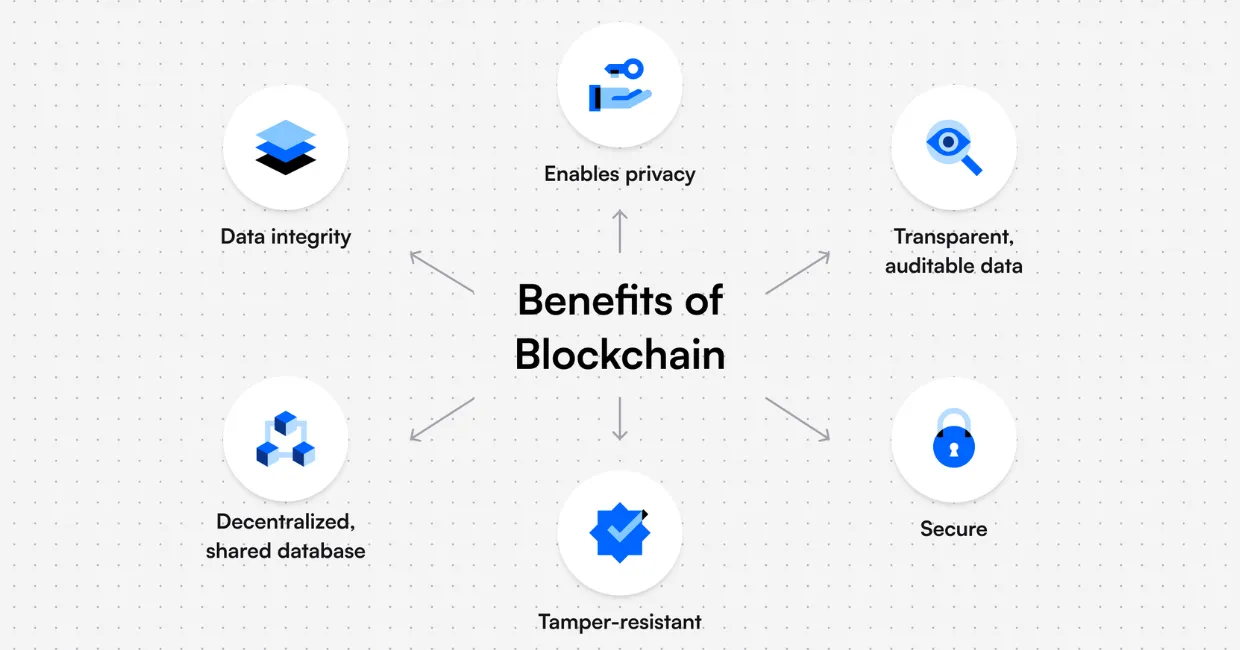
This is where Blockchain identity verification steps in. It offers a decentralized, transparent, and tamper-resistant way to manage identities without relying on a single authority. Instead of trusting one organization, trust is distributed across a secure network.
Let’s explore how this technology works, why it matters, and how it’s shaping the future of digital trust.
Table of Contents
ToggleThe Problem with Traditional Digital Identity Systems
For decades, identity verification has depended on centralized institutions. Banks, governments, and tech companies store massive volumes of personal information in single databases.
These databases are attractive targets for cybercriminals. When breached, the consequences are devastating. Identity theft, financial fraud, and privacy violations become widespread problems.
Beyond security risks, traditional systems also lack user control. Once you submit your information, you rarely know who accesses it or how long it’s stored. This imbalance of power creates serious privacy concerns.
The growing demand for better security and user ownership has pushed innovators to explore decentralized solutions. That’s how blockchain-based identity systems entered the conversation.
What Is Blockchain Identity Verification?
At its core, Blockchain identity verification uses blockchain technology to validate and manage digital identities in a secure, decentralized manner.
Instead of storing identity documents in a single database, information is encrypted and distributed across a blockchain network. The data cannot be altered without consensus, making tampering nearly impossible.
This system relies on cryptographic keys. Users hold private keys that give them control over their identity credentials. When verification is needed, they share only the necessary proof, not the entire document.
For example, if you need to prove you are over 18, you can confirm your age without revealing your full date of birth or address. That’s a significant shift toward privacy-first verification.
How Blockchain Identity Verification Works in Practice
Imagine applying for a mortgage. Traditionally, you would submit copies of your ID, bank statements, tax records, and more. Each institution stores its own version of your data.
With Blockchain identity verification, verified credentials are issued once and stored securely on a decentralized network. When another institution needs confirmation, it verifies the credential’s authenticity on the blockchain without requesting the original documents again.
This reduces redundancy and speeds up processes. It also limits exposure of sensitive data.
The blockchain acts as a trust layer. Every transaction or credential issuance is time-stamped and immutable. That transparency enhances accountability while preserving privacy.
The Role of Decentralized Identity (DID)
Decentralized Identity, often referred to as DID, is a core component of Blockchain identity verification.
In a DID model, individuals create and control their digital identifiers. These identifiers are not tied to a central authority. Instead, they are recorded on a blockchain network.
Users receive verifiable credentials from trusted issuers such as governments, universities, or financial institutions. They store these credentials in digital wallets and present them when needed.
The power dynamic changes dramatically. Individuals become the owners of their identity data rather than passive subjects in centralized systems.
Why Blockchain Identity Verification Matters in 2026 and Beyond
Digital transformation is accelerating across industries. Remote onboarding, digital banking, and online healthcare are becoming the norm.
As digital interactions increase, so does the risk of identity fraud. Global losses from identity theft reach billions of dollars annually. Businesses need secure, scalable solutions to verify users without compromising privacy.
Blockchain identity verification addresses these challenges by reducing fraud risks and increasing trust between parties. It offers a secure way to validate identities across borders without excessive paperwork.
Governments are also exploring blockchain-based identity programs to improve public service delivery. These initiatives aim to make identity systems more inclusive, especially in regions where documentation is limited.
Blockchain Identity Verification in Financial Services
The financial sector has been one of the earliest adopters of blockchain solutions.
Banks must comply with strict Know Your Customer (KYC) and Anti-Money Laundering (AML) regulations. Traditional compliance processes are time-consuming and expensive.
With Blockchain identity verification, verified credentials can be reused across institutions. Once a customer completes KYC with one bank, another bank can verify that credential instantly through the blockchain network.
This reduces onboarding time from days to minutes. It also lowers operational costs while maintaining regulatory compliance.
From an EEAT perspective, this shift enhances trustworthiness and operational transparency. Financial institutions can demonstrate stronger security measures and data protection standards.
Healthcare and Secure Patient Identity
Healthcare systems struggle with fragmented patient records and identity mismatches.
Blockchain-based verification can unify patient identities across providers without centralizing sensitive health data. Patients control access to their medical credentials and share them securely with doctors or specialists.
This approach minimizes errors and improves care coordination. It also strengthens data integrity, which is critical in medical contexts.
As cybersecurity threats targeting hospitals increase, Blockchain identity verification provides a resilient framework for protecting sensitive patient information.
Government Use Cases and Digital Citizenship
Several governments worldwide are experimenting with blockchain identity systems.
These initiatives aim to streamline public services such as voting registration, tax filing, and social benefits distribution. By leveraging Blockchain identity verification, authorities can reduce fraud and ensure benefits reach the right individuals.
For citizens, the experience becomes smoother. Instead of submitting documents repeatedly, they use verifiable credentials stored in digital wallets.
Transparency and immutability enhance public trust. At the same time, decentralization reduces the risks associated with single-point failures.
Blockchain Identity Verification and Data Privacy Regulations
Regulations such as GDPR emphasize user consent and data minimization. Traditional identity systems often struggle to comply fully because data is duplicated and stored in multiple locations.
Blockchain identity verification aligns naturally with privacy-by-design principles. Users share only what is necessary, and credentials can be verified without exposing raw data.
However, organizations must design systems carefully. Since blockchain records are immutable, sensitive information should never be stored directly on-chain. Instead, encrypted references and hashes are used.
When implemented responsibly, this technology supports compliance and strengthens accountability.
Real-World Story: A Freelancer’s Experience
Consider a freelance designer working with international clients. Each new platform requires identity verification. Uploading passports repeatedly feels risky.
With Blockchain identity verification, the freelancer completes verification once through a trusted authority. That credential is then reused across platforms without re-uploading documents.
The result is faster onboarding, reduced anxiety about data breaches, and more control over personal information.
Stories like this highlight how decentralized identity solutions are not just theoretical concepts. They are practical tools improving everyday digital experiences.
Challenges Facing Blockchain Identity Verification
Despite its promise, adoption is not without obstacles.
Scalability remains a concern for some blockchain networks. Handling millions of identity transactions requires robust infrastructure.
Interoperability is another challenge. Different platforms may use different blockchain protocols. Standardization efforts are essential to ensure seamless integration.
User education is equally important. Managing private keys demands responsibility. Losing a key could mean losing access to credentials unless recovery mechanisms are built in.
Addressing these challenges requires collaboration among developers, regulators, and industry leaders.
Building Trust Through EEAT Principles
Experience, Expertise, Authoritativeness, and Trustworthiness are essential when discussing emerging technologies.
Organizations implementing Blockchain identity verification must demonstrate technical expertise and transparent governance. Clear documentation, third-party audits, and security certifications enhance credibility.
User education materials should explain how data is stored, encrypted, and protected. Transparency builds confidence and encourages adoption.
Experience also matters. Real-world case studies and measurable outcomes help stakeholders understand practical benefits rather than theoretical promises.
The Future of Blockchain Identity Verification
The next phase of digital identity will likely combine blockchain with artificial intelligence and biometric authentication.
Imagine verifying your identity through facial recognition while blockchain ensures the underlying credential is authentic and untampered. This multi-layered approach could redefine digital security standards.
As remote work and global digital commerce expand, cross-border identity verification will become increasingly important. Blockchain identity verification offers a borderless trust infrastructure that supports global collaboration.
Technology alone is not enough. Ethical implementation, regulatory alignment, and user-centric design will determine long-term success.
Why Businesses Should Pay Attention Now
Early adopters of blockchain-based identity systems gain competitive advantages. Faster onboarding, lower fraud rates, and improved customer trust translate into measurable business value.
Investing in Blockchain identity verification today prepares organizations for a future where digital trust is a core differentiator.
Customers increasingly expect transparency and control over their data. Companies that embrace decentralized identity frameworks signal a commitment to privacy and innovation.
The digital economy is built on trust. Strengthening identity verification mechanisms strengthens the entire ecosystem.
A Turning Point in Digital Identity
The shift from centralized identity systems to decentralized models marks a significant technological and philosophical change.
Instead of institutions owning identity data, individuals regain control. Instead of blind trust in single databases, verification is backed by cryptographic proof.
Blockchain identity verification represents more than a technological upgrade. It symbolizes a move toward user empowerment, data sovereignty, and resilient digital infrastructure.
As industries continue evolving, the ability to verify identities securely and efficiently will define the next generation of online interactions.