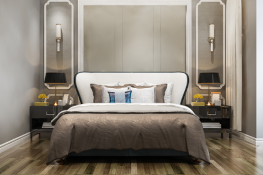
Furniture is one of the most important parts of any home because it supports daily activities while making every room more comfortable and organized. nestupgraded.com shares furniture buying guides, home improvement ideas, interior inspiration, and practical advice for people who want to create better living spaces without making costly mistakes. Good furniture is not simply about appearance because durability, comfort, functionality, and efficient use of space all matter when choosing pieces for everyday life.
Every household has different priorities. Some families need extra storage, others focus on comfort, while many look for furniture that can perform more than one function. Understanding these needs before shopping often leads to smarter long-term decisions.
Modern furniture is available in countless styles, materials, and price ranges. Having many choices is helpful, but it also makes careful planning more important before making a purchase.
Understanding Household Requirements
Furniture should match the lifestyle of the people using it every day.
Families with children may prefer durable materials, while smaller households often focus on compact and flexible designs.
Choosing furniture based on daily routines improves long-term satisfaction.
Selecting Strong Materials
Material quality directly affects furniture performance over time.
Solid wood offers excellent durability, metal provides structural strength, and engineered wood delivers affordable solutions for many households.
Understanding material differences helps buyers compare products more confidently.
Creating Comfortable Seating Areas
Comfortable seating improves relaxation after busy days.
Sofas, lounge chairs, recliners, and sectionals should provide proper support while fitting naturally into available living space.
Comfort usually becomes more valuable than decorative appearance after years of regular use.
Making Better Storage Plans
Storage furniture keeps homes cleaner and easier to organize.
Cabinets, wardrobes, bookshelves, sideboards, and storage benches help reduce clutter while improving accessibility.
Organized spaces often create a more relaxing home environment.
Choosing Bedroom Essentials
Bedroom furniture should encourage both comfort and functionality.
A supportive bed, practical wardrobe, bedside tables, and additional storage all contribute to an efficient daily routine.
Well-planned bedroom layouts also improve movement throughout the room.
Dining Space Considerations
Dining furniture experiences frequent daily use.
Strong tables and comfortable chairs support family meals, celebrations, and conversations throughout the year.
Choosing appropriate dimensions prevents dining areas from becoming overcrowded.
Furniture For Smaller Rooms
Limited space requires practical furniture solutions.
Foldable tables, nesting furniture, storage beds, and multifunctional cabinets maximize available room without sacrificing comfort.
Flexible furniture creates greater usability inside compact homes.
Maintaining Furniture Quality
Routine maintenance protects furniture from unnecessary damage.
Cleaning surfaces properly, avoiding excessive moisture, tightening loose hardware, and protecting finishes extend product lifespan.
Preventive care often reduces expensive repairs later.
Technology Improving Furniture
Furniture manufacturers continue introducing innovative features.
Height-adjustable desks, smart lighting integration, wireless charging surfaces, and ergonomic seating improve convenience for modern lifestyles.
Technology increasingly supports everyday comfort without replacing traditional craftsmanship.
Buying With Long Term Value
Furniture purchases should focus on long-term usefulness instead of temporary trends.
Reliable construction, timeless designs, and quality craftsmanship usually provide better value over many years.
Thoughtful buying decisions reduce replacement costs.
Supporting Sustainable Choices
Many homeowners now consider environmental responsibility before purchasing furniture.
Sustainably sourced materials, recyclable components, and durable manufacturing practices help reduce environmental impact.
Long-lasting furniture also contributes to less household waste.
Planning Future Home Needs
Household requirements often change over time.
Growing families, remote work, and changing lifestyles may require different furniture arrangements in the future.
Selecting adaptable furniture makes future adjustments much easier.
Conclusion
Furniture plays a central role in creating homes that are comfortable, organized, and practical for everyday living. Choosing durable materials, planning carefully, maintaining furniture regularly, and focusing on long-term functionality help homeowners enjoy lasting value from every purchase.
As furniture design continues evolving with better materials and smarter technology, practical choices will remain the foundation of comfortable and efficient living spaces.
For more furniture buying guides, home improvement ideas, interior design inspiration, and practical decorating advice, keep visiting nestupgraded.com and discover smarter ways to create a home that combines comfort, quality, and everyday functionality.
Read also :-