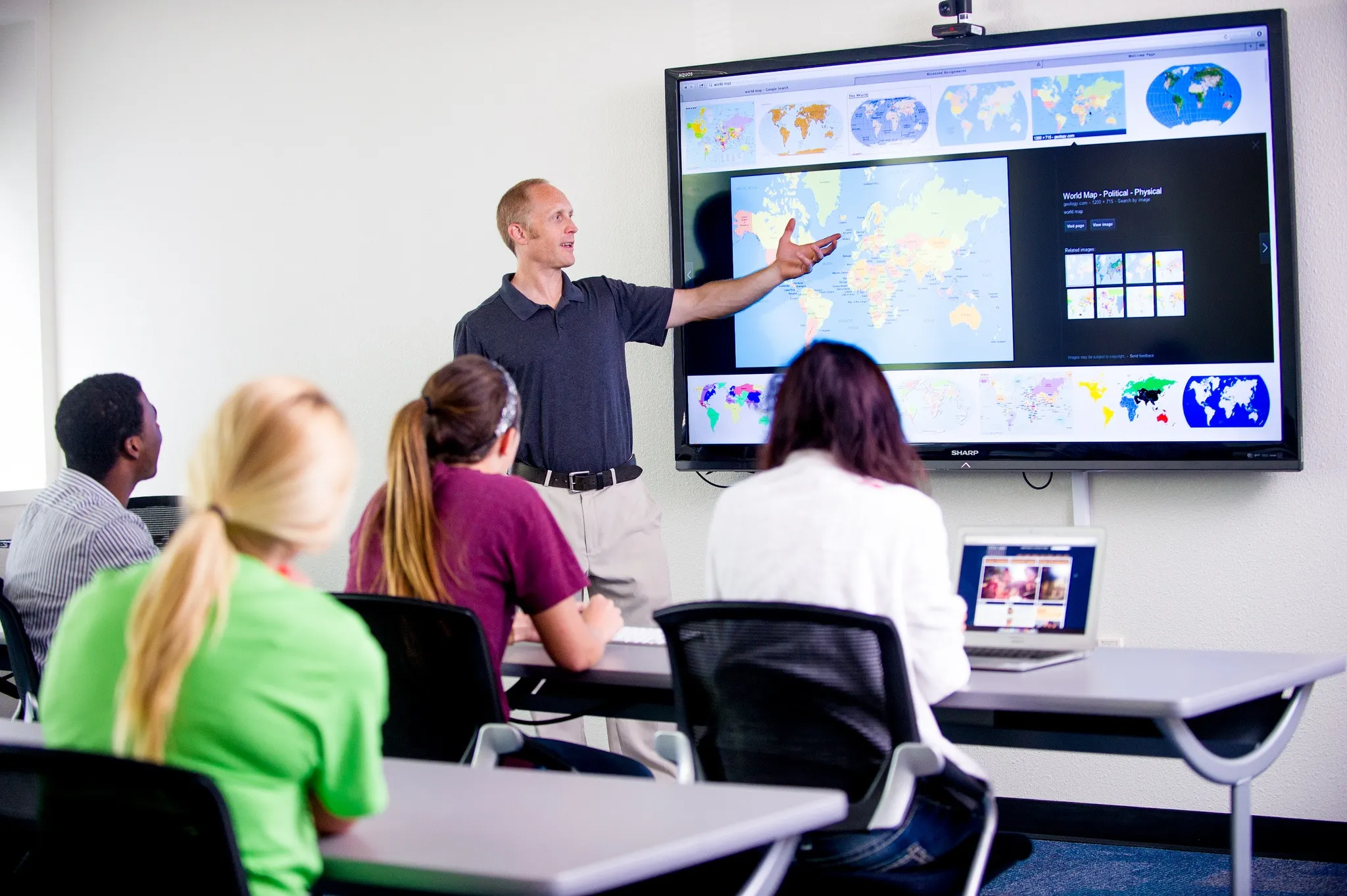
Digital Classrooms are redefining the way students learn and teachers teach, bridging the gap between traditional education and modern technology. Imagine a student in Jaipur who once struggled with limited resources in a conventional classroom. By joining a digital classroom, she gained access to interactive lessons, global mentors, and real-time feedback. Her journey reflects how digital classrooms empower learners to thrive in a connected world.
Why Digital Classrooms Matter
Education is evolving, and digital classrooms provide flexibility, accessibility, and engagement. They allow students to learn at their own pace, access diverse resources, and collaborate globally. Teachers benefit from tools that simplify lesson planning, assessment, and communication.
Consider a rural school that adopted digital classrooms. Students who once relied on outdated textbooks now explore interactive modules, videos, and simulations. This transformation ensures equal opportunities for learners regardless of location.
The Evolution of Digital Classrooms
The concept of digital classrooms has grown rapidly. Initially, online learning was limited to recorded lectures. Today, platforms integrate AI, gamification, and virtual reality to create immersive experiences.
Think of platforms like Google Classroom or Microsoft Teams. They enable seamless collaboration, assignments, and feedback, making education more interactive and efficient. Evolution proves that digital classrooms thrive on innovation.
Storytelling in Digital Classrooms
Behind every success lies a story. Digital classrooms often come alive through real-life journeys. A teacher in India used digital tools to connect her students with peers in Europe. This collaboration not only improved language skills but also broadened cultural understanding.
Similarly, a student preparing for competitive exams accessed digital classrooms for mock tests and guidance. His improved scores highlighted how technology-driven learning enhances performance.
Technology and Digital Classrooms
Technology drives digital classrooms, making learning interactive and personalized. AI analyzes student progress, VR creates immersive simulations, and cloud platforms ensure accessibility.
For example, a medical student practicing surgeries through VR simulations gains confidence before entering actual operating rooms. Technology ensures that learning is practical, engaging, and future-ready.
Digital Classrooms and Career Growth
Career advancement often depends on continuous learning. Digital classrooms provide opportunities to upskill, reskill, and pivot into new industries. Professionals who embrace lifelong learning remain adaptable and resilient.
A marketing executive who joined digital classrooms for data analytics transitioned into digital strategy roles. Similarly, engineers who studied project management online opened doors to leadership positions. Digital classrooms act as catalysts for career reinvention.
Real-Life Example: The Local School
Consider a Jaipur-based school that adopted digital classrooms during the pandemic. Initially hesitant, teachers soon discovered the benefits of interactive tools, online assessments, and global resources. Students adapted quickly, excelling in subjects once considered difficult. This example shows how structured digital learning can transform education.
Global Trends in Digital Classrooms
Globalization has expanded the scope of digital classrooms. Universities collaborate across borders, offering joint degrees and exchange opportunities. Students now explore destinations beyond traditional hubs, choosing countries like Japan, South Korea, and Germany for digital learning experiences.
This diversification ensures that students experience unique cultures and industries, enriching their academic and personal journeys.
Future of Digital Classrooms
The future of digital classrooms lies in personalization, sustainability, and immersive experiences. AI-driven platforms will design customized study paths. Virtual reality classrooms will simulate real-world environments. Ethical learning practices will ensure fairness.
Imagine attending a VR lecture in Paris while physically being in Jaipur, or AI tutors guiding students through personalized modules. These innovations prove that digital classrooms are evolving to meet tomorrow’s challenges.