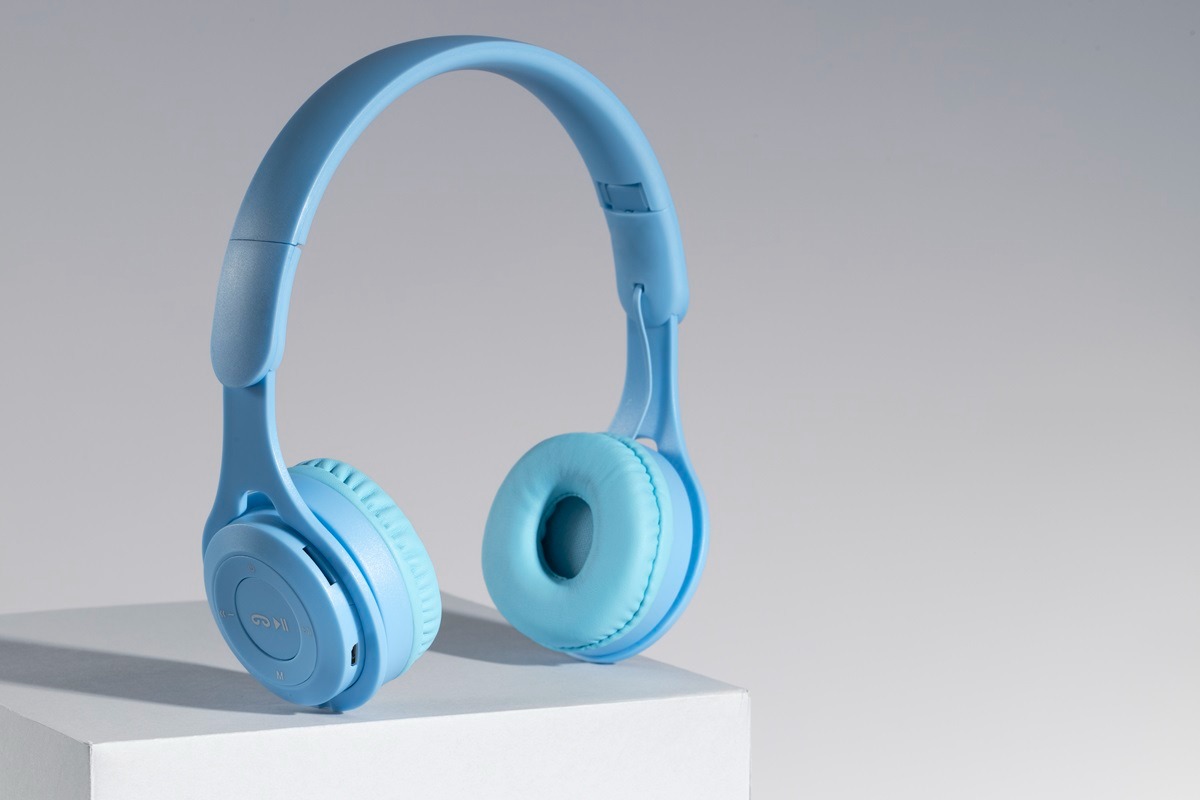
Choosing headphones can become surprisingly difficult when every product seems to offer different features. cloudbytetech.com gives readers another place to explore technology information and practical ideas about modern audio devices. Headphones are now used for music, online classes, phone calls, gaming, travel, office work, and entertainment at home. Because these situations are different, the most suitable headphone design can also be different. Someone who needs headphones for commuting may care about noise reduction and battery life. Another person may mainly want comfortable sound for several hours at a desk. Looking at actual daily use first can make the buying process much less confusing.
Consider Your Main Purpose
The first useful step is deciding what headphones will actually be used for most often. Music listeners may care about sound balance, bass response, and general clarity. People attending online meetings may care more about microphone performance and connection stability. Gamers may want low audio delay and accurate positional sound during gameplay. Travelers can benefit from comfortable earcups, long battery life, and effective noise reduction. There is no need to choose every feature available simply because a product includes it. A headphone model becomes more useful when its main features match the situations where it will be used regularly.
Think About Wearing Comfort
Headphones can sound excellent and still become difficult to use if they feel uncomfortable after an hour. Over-ear headphones cover the ears and can provide cushioning around the sides of the head. On-ear models sit directly against the ears and may feel lighter for certain users. Earbuds take up less space and can be convenient when people move between different places during the day. Weight, clamping pressure, earcup material, and headband design can all affect comfort. Personal fit matters considerably, so product measurements cannot tell the complete story. Trying a model before buying can reveal whether the design actually feels suitable.
Check Wireless Compatibility
Wireless headphones commonly connect through Bluetooth, making them convenient for phones, tablets, laptops, and other compatible devices. However, wireless performance can differ between products and connected devices. Bluetooth versions, supported codecs, operating systems, and device settings may influence the overall experience. Some users may notice audio delay during gaming or video playback, while others may not find it important at all. Connection range can also change depending on walls and surrounding electronic equipment. Before purchasing wireless headphones, checking compatibility with existing devices can prevent avoidable problems. A product should work properly with the equipment already used instead of creating another technical complication.
Understand Different Sound Profiles
Not every headphone is tuned to produce the same type of sound. Some models emphasize bass, while others provide a more balanced presentation across lower, middle, and higher frequencies. People who listen to podcasts may prioritize clear voices rather than powerful bass. Music listeners may have stronger preferences based on their favorite genres and recording styles. Sound quality also depends on the audio source and recording itself. A compressed recording may not reveal the same differences that appear with higher-quality audio. Reading specifications can provide basic information, but listening tests and reliable demonstrations can offer a better idea of how a particular model sounds.
Look At Battery Life
Wireless headphones depend on batteries, so runtime becomes important for regular users. Manufacturers usually provide estimated battery figures, although real performance can vary depending on volume, noise cancellation, microphone use, and connection settings. Someone using headphones for short periods may not need an extremely large battery. Frequent travelers may prefer longer runtime because charging opportunities are not always convenient. Fast charging can also be useful when users forget to charge their headphones before leaving home. Checking both total runtime and charging behavior gives a more realistic picture. Battery capacity should match the person’s normal routine rather than simply being the highest number available.
Check Noise Reduction
Noise control can make headphones more useful in busy environments, but different technologies work in different ways. Passive isolation mainly comes from the physical seal created by the headphones or earbuds. Active noise cancellation uses microphones and electronic processing to reduce surrounding sounds. It can work particularly well against steady background noises such as engines or air-conditioning systems. Sudden voices and irregular sounds may still remain noticeable. Some models also include transparency modes that allow surrounding sounds to enter while wearing the headphones. This can be useful when users need to hear announcements or communicate without removing the device.
Review Microphone Quality
A microphone becomes important when headphones are used for calls, meetings, gaming, or online communication. Microphone performance depends on hardware placement, signal processing, background noise handling, and the environment around the user. A microphone that sounds clear inside a quiet room may perform differently near traffic or other people. Some models use multiple microphones to improve voice pickup and reduce surrounding noise. Headsets designed for gaming may include boom microphones positioned closer to the speaker’s mouth. Buyers should check real-world microphone demonstrations when possible because simple product descriptions rarely explain how speech will actually sound.
Consider Build And Storage
Headphones are frequently placed into bags, carried between rooms, folded, adjusted, and connected repeatedly. Build quality can therefore matter for people who use their devices heavily. Hinges, headbands, earcup joints, charging ports, and buttons can experience regular physical stress. Foldable designs may make transportation easier, although moving parts still need reasonable care. Some headphones include water or sweat resistance, which can be useful for suitable active situations. Buyers should check the exact protection rating rather than assuming that a product can safely handle heavy moisture. Proper storage can also reduce unnecessary wear when headphones are not being used.
Compare Features With Price
Price should be considered alongside the features that actually matter to the user. An expensive headphone does not automatically provide a better experience for every situation. Affordable models can sometimes provide enough sound quality, comfort, and connectivity for ordinary listening. Higher-priced models may add better noise cancellation, materials, microphones, software controls, or advanced sound processing. The important question is whether those improvements are useful for the intended routine. Comparing several models within a realistic budget can reveal which features are genuinely worth paying for. This approach usually makes headphone shopping more practical and less influenced by specifications alone.
Conclusion
Good headphone choices usually begin with understanding how the device will be used every day. Comfort, sound profile, connection quality, battery life, microphone performance, noise control, durability, and price can all matter in different situations. People should not assume that one headphone design will suit every listener equally well. Checking compatibility and considering real usage conditions can prevent many disappointing purchases. cloudbytetech.com can provide additional technology information for readers exploring headphones and other everyday audio equipment. A thoughtful choice usually comes from matching useful features with actual listening habits rather than collecting unnecessary specifications.
Read also :-