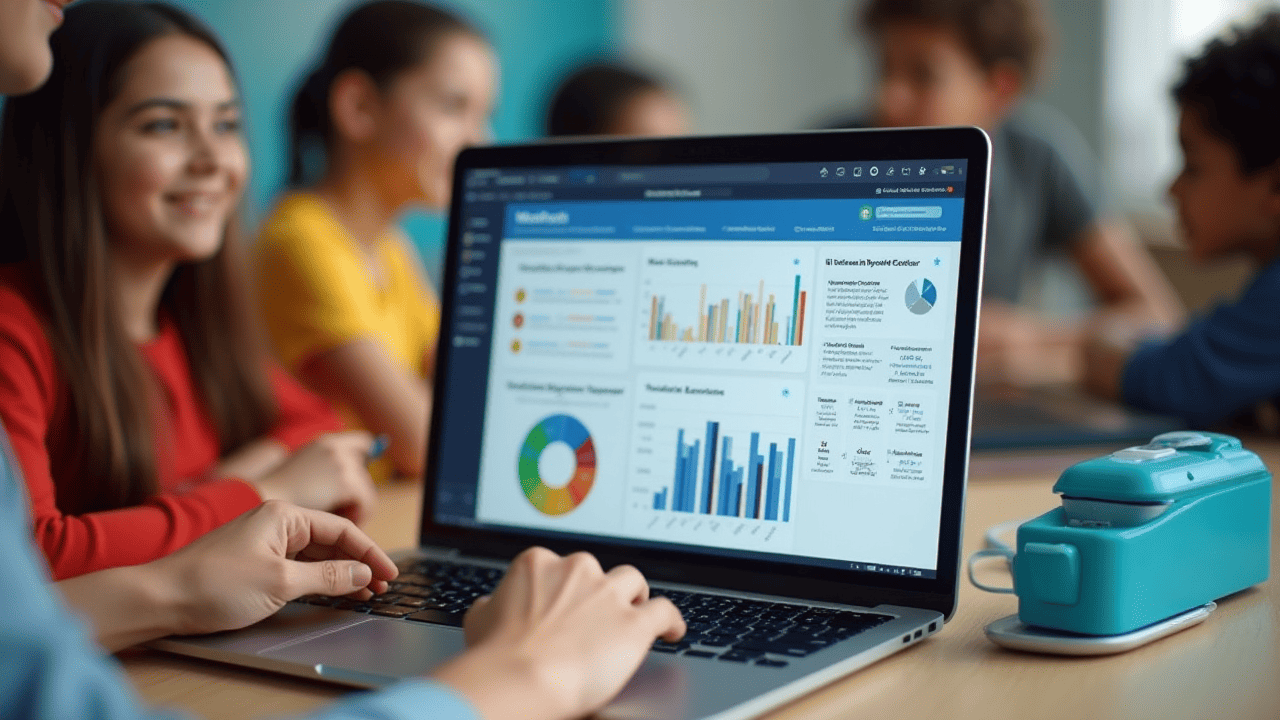
Hybrid learning platforms are redefining the way students, educators, and institutions approach education. By combining online resources with traditional classroom methods, these platforms provide flexibility, accessibility, and engagement like never before. Schools, universities, and corporate training programs are increasingly turning to hybrid learning to deliver effective, personalized learning experiences.
Imagine a university where some students attend lectures in person while others join virtually from around the world. Using hybrid learning platforms, instructors can seamlessly engage both groups, share resources, and manage assignments in real time. This creates a unified learning environment where no student misses out, showcasing the transformative potential of hybrid education.
How Hybrid Learning Platforms Enhance Student Engagement
Engagement is critical to learning success, and hybrid learning platforms excel in creating interactive experiences. Through multimedia content, live sessions, and collaborative tools, students remain actively involved in their learning journey. Features like quizzes, discussion boards, and polls make participation easy and measurable.
For example, a high school teacher using a hybrid platform can split students into small discussion groups, mixing online and in-person attendees. The platform tracks participation, ensures accountability, and allows students to learn from diverse perspectives. Real-life examples like this show how hybrid platforms foster deeper understanding and better retention.
Personalized Learning with Hybrid Learning Platforms
Personalization is a key advantage of hybrid learning platforms. Adaptive algorithms can recommend content based on a student’s progress, strengths, and areas needing improvement. This ensures that each learner moves at their own pace, avoiding frustration or boredom.
A corporate training program illustrates this well. Employees accessing a hybrid platform receive tailored modules depending on their role and prior knowledge. Those struggling with specific concepts get additional resources, while advanced learners move faster. By leveraging hybrid platforms, organizations can maximize learning outcomes while respecting individual differences.
Flexibility and Accessibility in Modern Education
One of the greatest strengths of hybrid learning platforms is flexibility. Students can attend live classes, watch recorded lectures, or complete assignments at their own pace. This flexibility is particularly beneficial for adult learners, working professionals, or students in remote areas.
Consider an international student unable to relocate for university due to personal commitments. Hybrid platforms allow them to participate fully in courses, attend live sessions online, and access all necessary materials. This accessibility ensures education is not limited by geography or schedule constraints, making learning truly inclusive.
Collaborative Learning in Hybrid Platforms
Collaboration is essential for skill development and problem-solving. Hybrid learning platforms integrate tools like shared documents, virtual breakout rooms, and discussion forums, enabling students to work together effectively, regardless of location.
A business school example shows hybrid students collaborating on marketing projects. Teams with members attending in person and others online can brainstorm ideas, share presentations, and provide feedback instantly. This environment mirrors real-world professional collaboration, demonstrating how hybrid learning platforms prepare students for the modern workplace.
Teacher and Instructor Benefits
Teachers also benefit significantly from hybrid platforms. These tools streamline lesson planning, content delivery, and performance tracking. Educators can monitor student progress in real time, identify struggling learners, and adjust teaching strategies accordingly.
For instance, an instructor teaching a mixed-mode science course can assign lab simulations online, track results, and provide immediate feedback. Hybrid learning platforms reduce administrative burdens, allowing teachers to focus on meaningful instruction and personalized guidance.
Real-Time Analytics and Feedback
Analytics are another critical feature of hybrid learning platforms. Data on attendance, engagement, quiz results, and participation help educators understand what works and where improvements are needed. Real-time feedback empowers students to correct mistakes and stay on track.
A language learning program using hybrid platforms exemplifies this. Students receive instant feedback on pronunciation, grammar exercises, and writing assignments, while teachers monitor progress through dashboards. The insights from these analytics ensure both students and instructors can continuously improve performance.
Corporate Training and Professional Development
Hybrid learning platforms aren’t just for schools or universities—they are increasingly adopted in corporate training. Organizations use them for onboarding, compliance training, and skill development. Employees benefit from flexible schedules, interactive modules, and collaborative learning experiences.
A multinational company implementing hybrid training saw reduced onboarding time and higher employee satisfaction. Participants could attend live sessions, complete e-learning modules, and interact with peers globally. This practical application highlights the versatility and scalability of hybrid learning platforms across industries.
Enhancing Student Motivation and Retention
Motivation and retention often challenge traditional education systems. Hybrid platforms address this by making learning interactive, goal-oriented, and visually engaging. Gamified elements, badges, and progress trackers reward effort and encourage continuous engagement.
For example, an online STEM program awards digital badges for completing modules and challenges. Students can track their achievements, share progress, and stay motivated. This gamification, powered by hybrid platforms, increases participation and reduces dropout rates, demonstrating measurable educational impact.
Addressing Challenges in Hybrid Learning
While hybrid platforms offer many advantages, challenges exist. Technical issues, digital literacy gaps, and maintaining engagement can hinder success. Institutions must invest in infrastructure, training, and support systems to ensure effective implementation.
For example, a school transitioning to hybrid learning noticed some students struggled with online navigation. By providing tutorials and ongoing support, educators ensured every student could participate fully. Understanding these challenges is essential for maximizing the potential of hybrid learning platforms.
Future Trends in Hybrid Learning Platforms
The future of education is undeniably hybrid. Emerging trends include AI-powered personalized learning, VR/AR simulations, and integration with real-world tools to make lessons more immersive and effective. Institutions that embrace these technologies can provide cutting-edge education.
Imagine a virtual science lab where students experiment safely online while attending in-person discussions. AI analytics track performance, and instructors adapt lessons in real time. Hybrid learning platforms will continue evolving, bridging the gap between traditional and digital education seamlessly.
Read also: