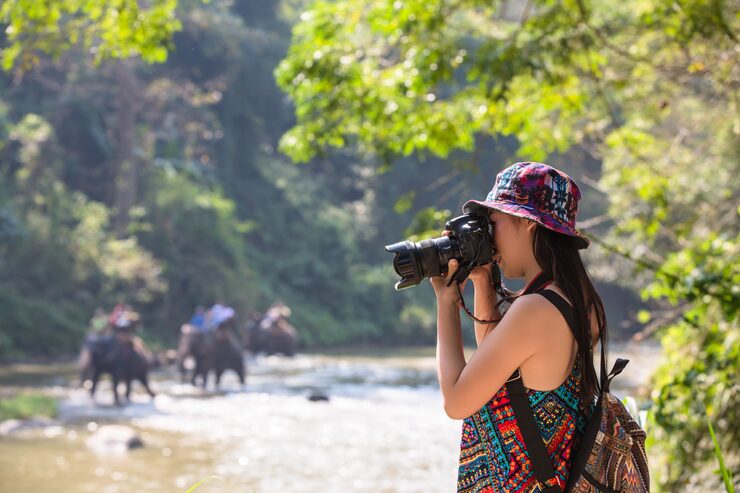
Travel Photography Classes have become essential for photographers, adventurers, and content creators who want to tell compelling stories through images. Whether you are wandering through bustling markets, hiking remote mountain trails, or exploring urban landscapes, mastering photography techniques can transform ordinary snapshots into breathtaking visual narratives. These classes offer hands-on guidance, professional tips, and practical exercises to help travelers capture the essence of their journeys.
Imagine attending a workshop in Morocco, learning how to frame vibrant street scenes under the golden hour sunlight, or exploring Icelandic glaciers with an instructor guiding your composition. Travel Photography Classes not only teach technical skills but also inspire creativity, helping photographers see the world through a fresh lens.
Why Travel Photography Classes Matter
The art of photography extends beyond pressing a shutter button. Understanding light, composition, and storytelling elevates your images from simple memories to compelling visual narratives. Travel photography is uniquely challenging because locations, lighting conditions, and subjects change constantly.
Classes provide the structure needed to develop these skills. Students learn how to plan shots, anticipate moments, and use camera settings to capture the perfect image, whether it’s a sweeping landscape or a candid street portrait. Professional instructors share insider knowledge from years of field experience, ensuring learners can handle unpredictable travel scenarios with confidence.
Core Skills Taught in Travel Photography Classes
Travel Photography Classes focus on a combination of technical mastery and creative storytelling. Key areas include understanding exposure, composition, and color theory. Lighting is another critical component, as natural light can dramatically alter the mood of a photo.
Students also explore the importance of perspective and framing. For instance, shooting a historic monument from a low angle may create a sense of grandeur, while capturing street performers at eye level adds intimacy and connection. Classes encourage experimentation, enabling photographers to develop a unique style that resonates with their audience.
Capturing Cultures and People
One of the most rewarding aspects of travel photography is documenting human experiences. These classes teach ethical and respectful ways to photograph people, emphasizing consent and cultural sensitivity. Portrait techniques, environmental context, and storytelling methods are explored in detail.
For example, a student photographing a local festival learns how to highlight cultural nuances while capturing authentic expressions. These lessons transform ordinary travel snapshots into immersive stories that engage viewers and preserve memories for years to come.
Gear and Technical Knowledge
While creativity is central, mastering your tools is equally important. Travel Photography Classes often include tutorials on cameras, lenses, tripods, and editing software. Students learn how to select gear that suits travel needs without compromising image quality.
Instruction on post-processing is also a major focus. Techniques in Lightroom or Photoshop help enhance colors, correct exposure, and maintain image integrity. Understanding both capture and editing ensures your photos tell cohesive stories that reflect your vision.
Hands-On Learning Through Workshops
Many travel photography programs incorporate on-location workshops. These immersive experiences allow students to practice skills in real-world settings, from bustling city streets to serene natural landscapes. Live feedback from instructors provides actionable insights, helping students refine techniques on the spot.
Imagine photographing sunrise over rice terraces in Bali while an instructor guides you in adjusting shutter speed for perfect motion blur. This direct experience reinforces classroom lessons, accelerating growth and confidence in your photography abilities.
Storytelling Through Visual Narratives
At the heart of Travel Photography Classes is storytelling. Students are encouraged to think beyond individual shots, creating photo series that capture a journey, an emotion, or a cultural experience. Narrative sequencing, theme development, and emotional impact are taught alongside technical skills.
A student might create a series documenting a day in a bustling marketplace, starting with morning preparations, moving through midday commerce, and concluding with sunset street scenes. This approach transforms images into a cohesive visual story that resonates deeply with viewers.
Leveraging Social Media and Online Portfolios
Travel photographers today often share their work digitally. Classes frequently include guidance on building online portfolios, curating Instagram feeds, or publishing blog posts. Learning how to present images professionally increases visibility and engagement with audiences worldwide.
Students gain insights into audience analytics, content scheduling, and platform-specific strategies to ensure their stories reach the right viewers. Social media skills complement photography expertise, enabling learners to build a brand and connect with global communities.
Continuous Growth and Inspiration
Even experienced photographers benefit from structured learning environments. Travel Photography Classes foster ongoing growth through mentorship, peer reviews, and exposure to diverse photographic styles. Seeing how others approach composition, lighting, and storytelling inspires innovation and pushes creative boundaries.
Travel photography is as much about exploration as technique. Classes cultivate curiosity, encouraging participants to see familiar environments differently and capture moments that might otherwise be overlooked.
Read also: