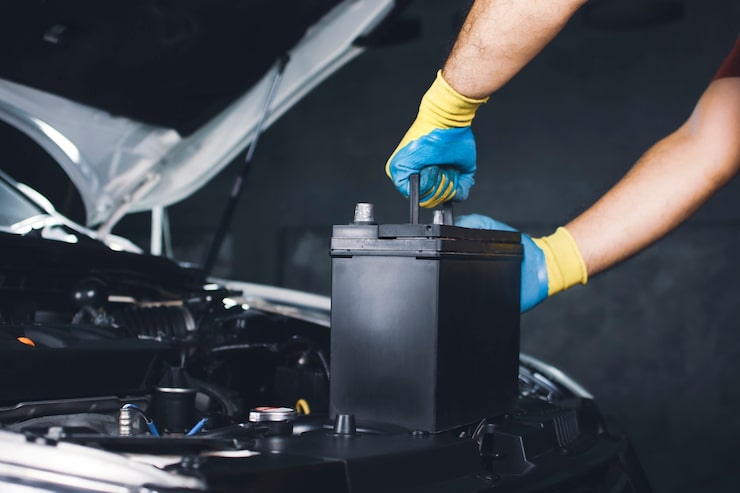
Car battery replacement is an essential part of vehicle maintenance that ensures your car starts reliably every day. Many drivers underestimate the importance of timely battery replacement, leading to unexpected breakdowns or damage to electrical components. Understanding the right practices for replacing and maintaining your car battery can save both time and money.
Regular monitoring of battery performance, knowing the signs of a failing battery, and following proper replacement procedures are critical for every vehicle owner.
Signs You Need Car Battery Replacement
One of the first indicators of a failing car battery is a slow engine crank. If you notice your car struggling to start or the dashboard lights flickering, it may be time to replace the battery.
Other common signs include unusual odors, corrosion around the battery terminals, or an older battery that has exceeded its typical lifespan of three to five years. Ignoring these signals can lead to complete battery failure, leaving you stranded unexpectedly.
Choosing the Right Battery for Your Car
Selecting the correct battery for your vehicle is vital for optimal performance. Consider factors like battery size, voltage, and cold cranking amps (CCA) when choosing a replacement.
High-quality batteries from reputable brands ensure durability and reliable performance. While cheaper alternatives may seem tempting, investing in a reliable battery prevents frequent replacements and potential damage to your car’s electrical system.
How to Safely Replace a Car Battery
Car battery replacement requires careful attention to safety procedures. Start by turning off the ignition and disconnecting the negative terminal first, followed by the positive terminal.
Wear gloves and eye protection to prevent contact with battery acid. Remove the old battery carefully and place it in a safe location. Clean the battery tray and terminals before installing the new battery, then connect the positive terminal first, followed by the negative terminal.
Maintenance Tips to Extend Battery Life
Proper maintenance can significantly extend the life of your car battery. Regularly check for corrosion on terminals and clean them using a mixture of baking soda and water.
Ensure the battery is securely fastened to prevent vibrations that could damage internal components. Monitoring the battery voltage periodically and avoiding short trips that prevent full charging also contributes to longer battery life.
Common Mistakes to Avoid During Battery Replacement
One common mistake is reversing the polarity while connecting the terminals, which can damage your car’s electrical system. Another frequent error is neglecting to remove old battery residue, which can lead to poor connections.
Failing to dispose of the old battery properly is another concern. Lead-acid batteries are hazardous and must be recycled through approved facilities to avoid environmental damage.
Benefits of Timely Car Battery Replacement
Timely car battery replacement prevents sudden breakdowns, reduces the risk of damage to the vehicle’s electrical system, and improves overall reliability. Drivers enjoy peace of mind knowing their vehicle will start smoothly in any weather condition.
Additionally, modern batteries with higher cold cranking amps provide better performance during extreme temperatures, making them ideal for regions with harsh weather conditions.
Real-Life Experiences of Drivers
Many car owners share their experiences about the importance of regular battery checks. One driver mentioned that a neglected battery left them stranded on a cold winter morning, emphasizing the value of proactive replacement.
Others have highlighted how investing in a premium battery reduced maintenance issues and improved overall vehicle performance. Stories like these underline the practical benefits of understanding and following car battery replacement tips.
Innovations in Car Battery Technology
Recent advancements in car battery technology have introduced long-life and maintenance-free batteries. These batteries offer improved efficiency, faster charging, and enhanced durability compared to traditional lead-acid batteries.
Hybrid and electric vehicles also rely on advanced battery systems, making knowledge about proper battery care even more crucial for drivers in today’s automotive landscape.
Professional vs. DIY Battery Replacement
While many drivers successfully replace their car battery at home, professional services provide additional safety and expertise. Mechanics ensure proper installation, check for underlying electrical issues, and offer warranty-backed batteries for reliability.
DIY replacements can save money, but following step-by-step safety guidelines is essential to prevent accidents or damage to the vehicle.
Environmental Considerations
Proper disposal and recycling of old batteries are essential for environmental protection. Lead-acid batteries contain hazardous materials, and recycling prevents pollution while allowing reuse of valuable components.
Many automotive service centers provide battery recycling services, making it easier for drivers to replace their batteries responsibly.
Read also:
indian premier league teams
india national cricket team vs ireland cricket team
most icc trophy winning player
india national cricket team vs england cricket team match scorecard