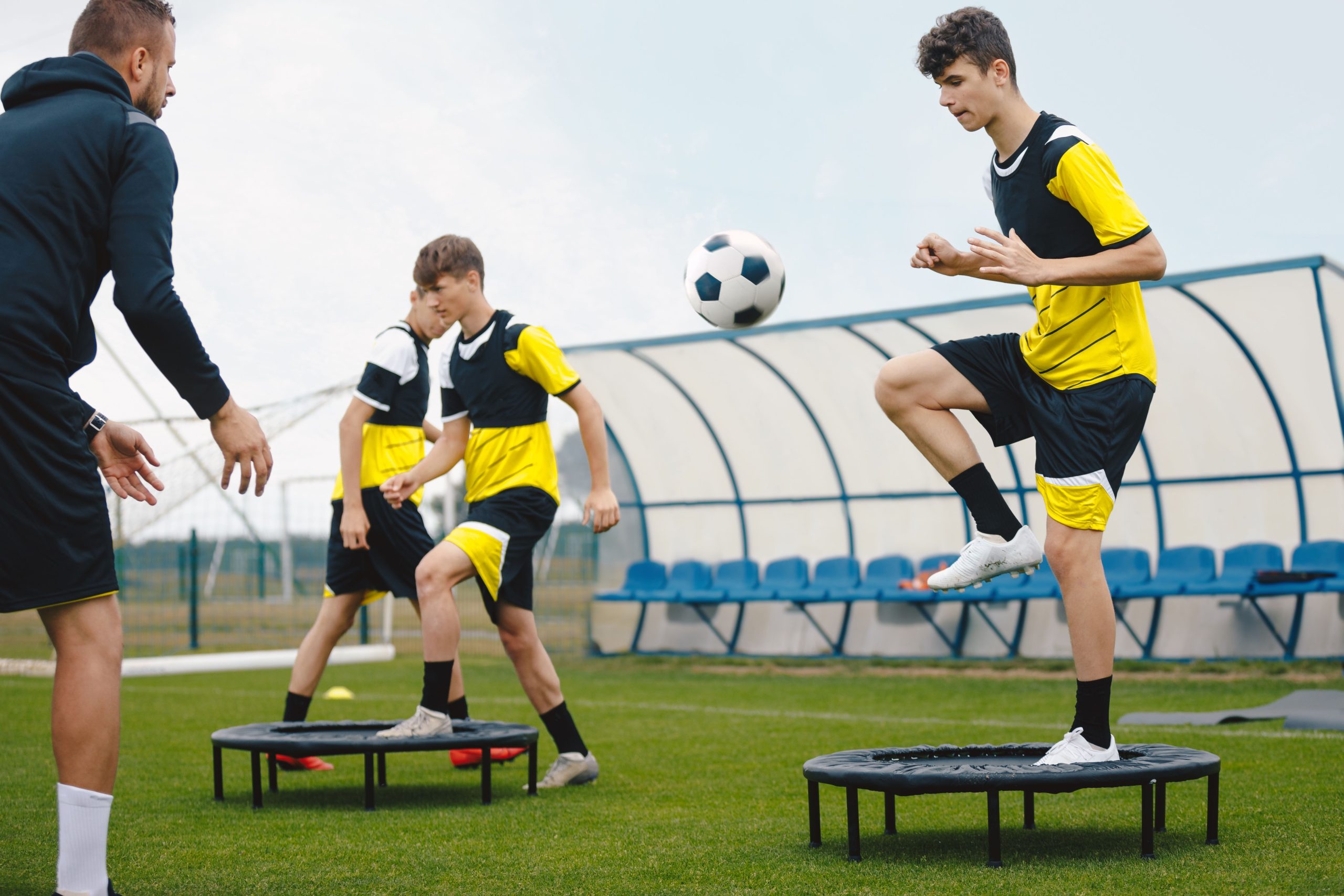
Sports Training Tips are the foundation of every successful athlete’s journey, whether the goal is professional competition or personal fitness excellence. Behind every medal, record, and breakthrough moment lies a well-structured training system built on discipline, science, and experience. Training is not just about working harder; it is about working smarter every single day.
Athletes across sports understand that consistent training habits shape long-term success. From early morning conditioning sessions to late-night recovery routines, progress is built in small, repeated actions. When training aligns with the body’s needs, performance rises naturally and sustainably.
Understanding the Core of Sports Training Tips
Training is not one-size-fits-all. Each sport demands a unique balance of strength, speed, agility, endurance, and mental focus. A sprinter trains differently from a footballer, and a cricketer follows a different rhythm compared to a swimmer. Effective Sports Training Tips always respect these differences.
The most successful training programs focus on progressive overload, proper rest, and measurable improvement. Athletes who train with awareness rather than imitation often avoid burnout and injuries while improving faster than their peers.
Physical Conditioning and Athletic Strength Development
Physical conditioning is the backbone of athletic performance. Strength training improves power output, joint stability, and injury resistance. Conditioning workouts enhance stamina and allow athletes to maintain intensity throughout competition.
Balanced training includes bodyweight exercises, resistance training, and sport-specific movements. Overemphasizing one area while neglecting others often leads to imbalances. Smart athletes develop their entire kinetic chain, ensuring efficient movement and long-term durability.
Speed, Agility, and Reaction Training
Speed and agility separate good athletes from elite performers. Reaction time, quick footwork, and explosive movement determine success in fast-paced sports. These abilities are developed through targeted drills that challenge coordination and neuromuscular response.
Athletes who consistently work on agility adapt faster to unpredictable situations during matches. Over time, improved reaction speed enhances confidence and decision-making under pressure.
Endurance Training for Match Consistency
Endurance training ensures athletes perform at a high level from start to finish. Aerobic and anaerobic conditioning help the body sustain effort and recover quickly between intense actions. Endurance is not just about running longer; it is about maintaining efficiency while fatigued.
Sports like football, hockey, and cricket demand endurance-based conditioning to handle long matches. Athletes with superior stamina remain effective even in the final moments when others slow down.
Important Sports Training Tips Table
| Training Area | Purpose | Frequency | Key Focus |
|---|---|---|---|
| Strength Training | Build power and injury resistance | 3–4 times/week | Compound movements |
| Speed & Agility | Improve reaction and movement | 2–3 times/week | Explosive drills |
| Endurance | Increase stamina and recovery | 2–4 times/week | Aerobic balance |
| Flexibility | Enhance mobility and range | Daily | Joint health |
| Recovery | Prevent fatigue and injuries | Daily | Sleep and rest |
This table highlights how structured training elements work together to support overall athletic development.
Flexibility and Mobility as Performance Tools
Flexibility is often underestimated, yet it plays a critical role in athletic longevity. Mobility training improves joint function, movement efficiency, and posture. Athletes who move freely perform better and recover faster.
Stretching routines before and after training sessions reduce stiffness and muscle tension. Over time, improved mobility allows athletes to execute techniques with precision and confidence.
Recovery: The Most Ignored Sports Training Tip
Recovery is where real improvement happens. Muscles rebuild, energy systems reset, and mental fatigue fades during rest. Without proper recovery, even the best training program loses effectiveness.
Sleep, hydration, and active recovery sessions are essential components of smart training. Athletes who respect recovery outperform those who constantly push without rest. Recovery is not weakness; it is strategy.
Mental Training and Focus Development
Physical ability alone does not guarantee success. Mental strength determines how athletes handle pressure, setbacks, and competition intensity. Visualization, breathing techniques, and mindfulness exercises help sharpen focus.
Elite athletes train their minds just as rigorously as their bodies. Mental preparation improves confidence and decision-making, especially during high-stakes moments.
Nutrition as a Training Multiplier
Training results depend heavily on nutrition. Proper fueling supports muscle growth, energy production, and recovery. Athletes who eat strategically train harder and recover faster.
Balanced meals with adequate protein, carbohydrates, and healthy fats support performance. Hydration plays an equally vital role in maintaining endurance and preventing cramps or fatigue.
Sports-Specific Training Adaptation
Every sport has unique physical demands. A cricketer trains shoulder stability and rotational strength, while a footballer focuses on lower-body power and agility. Adapting Sports Training Tips to specific sports maximizes effectiveness.
Generic workouts often fail to address sport-specific movements. Athletes who tailor training to competition requirements gain a clear performance edge.
Injury Prevention Through Smart Training
Injury prevention begins with proper warm-ups, technique correction, and load management. Overtraining is a common mistake among motivated athletes.
Strengthening stabilizer muscles and correcting movement patterns reduce injury risk significantly. Prevention-focused training ensures longer careers and consistent performance.
Real-Life Training Transformation Example
A young district-level athlete struggling with stamina transformed performance by restructuring training. Instead of longer sessions, intensity was optimized, recovery was prioritized, and nutrition improved.
Within months, endurance improved, injuries reduced, and confidence grew. This example shows how intelligent training changes outcomes more effectively than brute effort.
Role of Coaches and Expert Guidance
Expert guidance enhances training quality. Coaches identify weaknesses, adjust workloads, and provide accountability. Their experience ensures athletes train safely and efficiently.
Trustworthy coaching combined with self-awareness creates an ideal learning environment. Athletes grow faster when feedback is constructive and data-driven.
Consistency: The Silent Performance Builder
Consistency outweighs intensity in long-term success. Small daily efforts compound into massive improvements over time. Athletes who follow Sports Training Tips with discipline see gradual but lasting progress.
Skipping sessions or constantly changing routines disrupts adaptation. Consistency builds confidence, skill mastery, and mental resilience.
Monitoring Progress and Performance
Tracking training data helps athletes measure improvement. Monitoring strength gains, endurance levels, and recovery patterns provides valuable insight.
Data-driven training reduces guesswork and improves efficiency. Athletes who understand their bodies train smarter and avoid plateaus.
Adapting Training Across Career Stages
Training evolves with age and experience. Young athletes focus on fundamentals, while experienced professionals emphasize maintenance and recovery.
Adapting Sports Training Tips to life stages ensures sustainable growth. Smart transitions keep athletes competitive while protecting long-term health.
Trust, Experience, and EEAT in Sports Training
Reliable training advice comes from experienced professionals, certified coaches, and sports science research. Trust builds when methods are transparent and evidence-based.
Athletes benefit most from guidance rooted in experience and scientific understanding. This balance strengthens credibility and ensures safe performance growth.
Future Trends in Sports Training
Technology is transforming training through wearables, AI analysis, and personalized programs. Data-driven insights help predict fatigue, optimize workloads, and reduce injury risks.
As sports science evolves, training becomes more precise and athlete-focused. Future athletes will train smarter, not just harder, guided by reliable data and expert knowledge.
Read also:
inter miami vs new york city fc lineups
ghd sports
insanony
golden state warriors vs memphis grizzlies match player stats