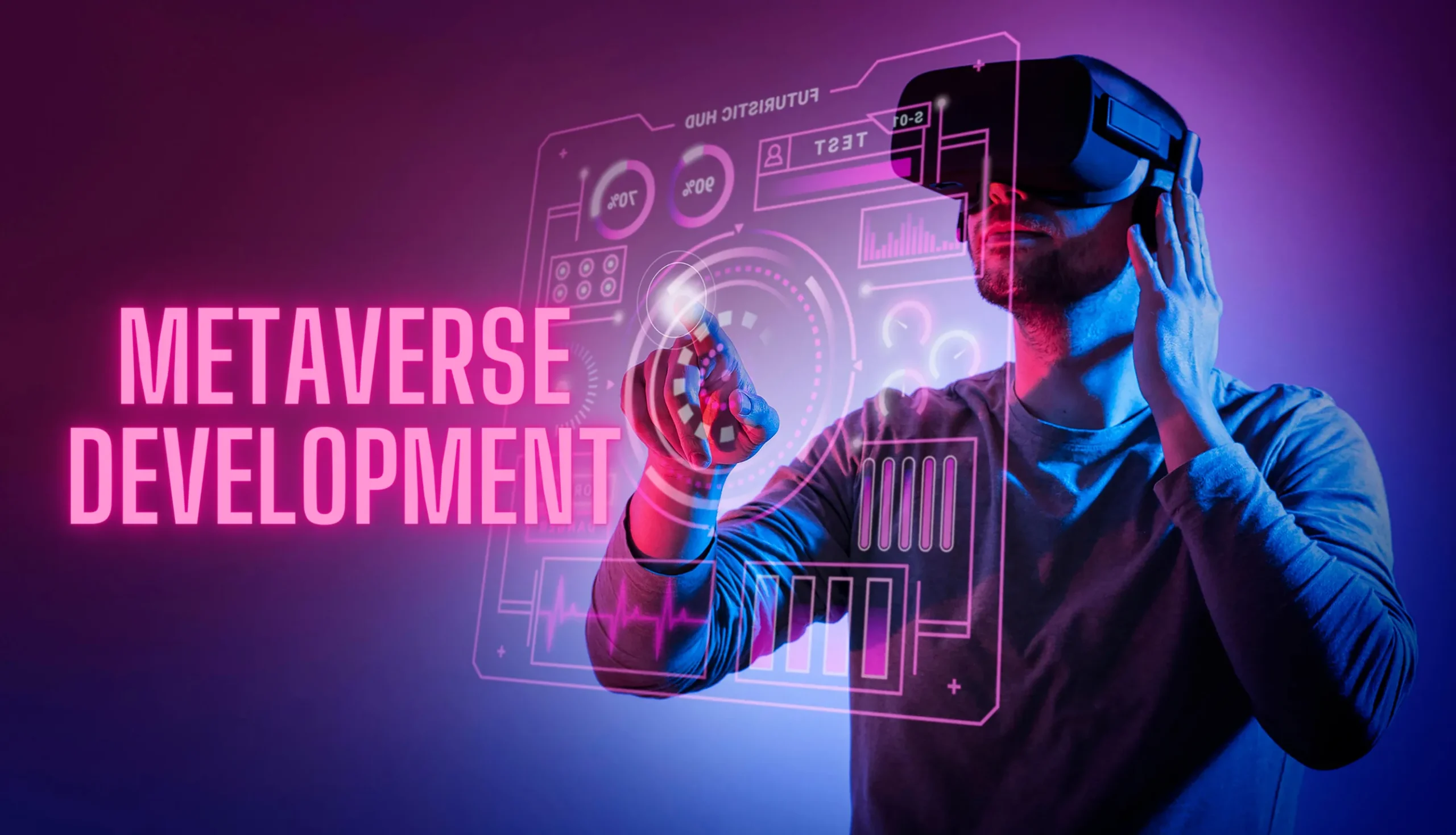
Metaverse development is no longer just a futuristic buzzword—it is rapidly becoming a transformative force shaping how people interact, learn, work, and play in digital environments. From virtual meetings to immersive gaming worlds, the metaverse is redefining digital experiences in ways that were unimaginable just a decade ago.
Imagine attending a virtual conference, shaking hands with colleagues through avatars, exploring a digital showroom before buying a car, or taking a virtual campus tour before enrolling in a university. These experiences are becoming real because of the rapid progress in metaverse technologies and platforms.
In this in-depth guide, we will explore what metaverse development is, why it matters, how it works, and where it is headed. This article is written with a strong focus on experience, expertise, authority, and trustworthiness (EEAT), ensuring reliable and practical insights for developers, businesses, and curious readers.
What Is Metaverse Development?
Metaverse development refers to the creation of interconnected virtual environments where users can interact with each other and digital objects in real time. These environments combine technologies like virtual reality, augmented reality, blockchain, artificial intelligence, and 3D modeling to create immersive digital worlds.
Unlike traditional websites or apps, the metaverse is persistent, meaning it continues to exist even when users log off. Users can create avatars, own virtual assets, socialize, attend events, and even earn real money inside these virtual ecosystems.
The concept of the metaverse was popularized by science fiction, but today it is becoming a real technological ecosystem supported by global tech giants, startups, and developers.
Why Metaverse Development Matters Today
The importance of metaverse development lies in its potential to transform multiple industries. Businesses are exploring virtual storefronts, educators are building immersive learning environments, and developers are creating new forms of digital entertainment.
For users, the metaverse offers richer experiences than traditional digital platforms. Instead of scrolling through a website, users can walk through a virtual store, talk to customer support avatars, or attend virtual concerts.
For companies, the metaverse opens new revenue streams, including digital goods, virtual real estate, NFTs, and subscription-based experiences.
Core Technologies Behind Metaverse Development
Metaverse development relies on a combination of advanced technologies that work together to create immersive experiences.
Virtual reality (VR) provides fully immersive digital environments using headsets and controllers. Augmented reality (AR) overlays digital elements onto the real world using smartphones or smart glasses.
Blockchain technology enables secure ownership of digital assets and supports decentralized virtual economies. Artificial intelligence powers realistic avatars, voice assistants, and intelligent NPCs (non-player characters).
3D modeling and game engines like Unity and Unreal Engine are used to design realistic virtual environments and interactive experiences.
Real-World Applications of Metaverse Development
Metaverse development is already being used across various sectors, not just gaming.
In education, virtual classrooms allow students to interact in 3D environments, conduct science experiments, and explore historical sites. Medical students can practice surgeries in simulated environments without risk.
In business, companies host virtual meetings, product launches, and training programs. Remote teams can collaborate in shared virtual workspaces, reducing the need for physical offices.
In retail, brands are creating virtual stores where customers can try on digital clothing or explore products before purchasing. Real estate companies offer virtual property tours, saving time and costs.
Entertainment companies are hosting virtual concerts, festivals, and sports events attended by millions of users worldwide.
Metaverse development in Gaming and Entertainment
Gaming is one of the biggest drivers of Metaverse development, as multiplayer online games already resemble virtual worlds. Platforms like Roblox, Fortnite, and Decentraland allow users to create content, socialize, and earn money.
Developers are creating open-world experiences where players can build their own games, host events, and sell digital items. These platforms are evolving into social ecosystems rather than just games.
The entertainment industry is also exploring virtual cinemas, interactive storytelling, and immersive experiences that blur the line between reality and digital worlds.
The Role of Blockchain and NFTs in Metaverse Development
Blockchain technology plays a crucial role in metaverse ecosystems by enabling digital ownership. Users can buy virtual land, digital art, and in-game items as NFTs (non-fungible tokens).
These assets can be traded on marketplaces, providing real-world value. Blockchain also ensures transparency, security, and decentralization, allowing users to control their digital identities and assets.
However, blockchain integration also raises concerns about energy consumption, scams, and regulatory challenges. Responsible development and user education are essential to build trust.
How Businesses Are Investing in Metaverse Development
Global companies are investing heavily in metaverse platforms to stay ahead of digital trends. Tech giants like Meta, Microsoft, and Google are building infrastructure, tools, and platforms for virtual experiences.
Fashion brands are launching digital clothing lines, while automotive companies are showcasing vehicles in virtual showrooms. Financial institutions are exploring virtual banking and digital asset management.
Small businesses and startups are also entering the metaverse by creating niche experiences, virtual services, and community-driven platforms.
Metaverse development in Education and Training
Metaverse development is revolutionizing education by creating immersive learning environments. Students can attend virtual classrooms, participate in group projects, and explore interactive simulations.
Corporate training programs are also using virtual environments to teach employees complex skills, such as machinery operation, safety procedures, and customer service.
These immersive experiences improve engagement, retention, and practical understanding compared to traditional learning methods.
Skills Required for Metaverse Development
Developing metaverse platforms requires a diverse set of skills. Developers need expertise in programming languages like C#, C++, and Python, as well as experience with game engines like Unity and Unreal Engine.
3D designers create realistic models, environments, and avatars. Blockchain developers handle smart contracts and digital asset systems. AI engineers build intelligent avatars and NPCs.
UX designers focus on creating intuitive and accessible experiences for users across devices. Cybersecurity experts ensure data protection and privacy.
Challenges in Metaverse Development
Despite its potential, metaverse development faces several challenges. High hardware costs, such as VR headsets and powerful computers, limit accessibility for many users.
Privacy and data security concerns are significant, as metaverse platforms collect large amounts of personal data. Regulations are still evolving, creating uncertainty for developers and businesses.
Interoperability between different metaverse platforms is another challenge. Currently, many virtual worlds operate in isolation, preventing users from transferring assets or identities across platforms.
User Experience and Accessibility in the Metaverse
User experience is a critical factor in metaverse adoption. Platforms must be intuitive, comfortable, and accessible to users of all ages and abilities.
Motion sickness, complex controls, and technical glitches can discourage users. Developers are focusing on improving interfaces, reducing latency, and optimizing performance.
Accessibility features, such as voice controls, subtitles, and adaptive interfaces, are essential to ensure inclusivity in virtual environments.
Security and Trust in Metaverse Development
Trust is a key component of metaverse ecosystems. Users need confidence that their data, assets, and identities are secure.
Developers must implement strong encryption, authentication systems, and moderation tools to prevent fraud, harassment, and cybercrime.
Transparent policies and ethical guidelines are necessary to build user trust and comply with global regulations.
Economic Opportunities in the Metaverse
The metaverse economy is growing rapidly, creating new job roles and business models. Virtual real estate, digital fashion, NFTs, and virtual services are emerging markets.
Content creators, developers, designers, and community managers can monetize their skills by building experiences, selling digital products, and hosting events.
Brands can generate revenue through virtual advertising, sponsorships, and premium experiences.
The Future of Metaverse Development
The future of metaverse development is expected to bring more realistic graphics, haptic feedback, AI-driven avatars, and seamless cross-platform experiences.
Advancements in 5G and cloud computing will improve performance and reduce hardware requirements. Mixed reality devices will blend physical and digital worlds, creating new forms of interaction.
As technology evolves, the metaverse may become as common as social media, transforming how people communicate, work, and entertain themselves.
Ethical and Social Implications
Metaverse development raises ethical and social questions about digital identity, addiction, and virtual behavior. Users may spend significant time in virtual worlds, affecting real-life relationships and mental health.
Developers and policymakers must address these concerns by promoting responsible usage, digital well-being, and ethical design practices.
Community guidelines, moderation systems, and educational initiatives can help create safe and inclusive virtual environments.
Opportunities for Developers and Entrepreneurs
For developers and entrepreneurs, the metaverse offers immense opportunities. Building niche platforms, tools, and services can attract users and investors.
Startups can focus on specific industries like education, healthcare, retail, or entertainment to create specialized metaverse solutions.
Open-source platforms and developer communities provide resources and collaboration opportunities for building innovative experiences.
Monetization Strategies in Metaverse Platforms
Monetization is a key aspect of sustainable metaverse ecosystems. Platforms can generate revenue through digital asset sales, subscriptions, advertising, and transaction fees.
Creators can earn income by selling virtual items, hosting events, or offering premium content. Brands can invest in virtual experiences to reach new audiences.
Transparent and fair monetization models are essential to maintain user trust and avoid exploitation.
Legal and Regulatory Considerations
Metaverse development involves legal challenges related to intellectual property, digital ownership, taxation, and user rights. Governments are still developing regulations for virtual assets and digital economies.
Developers and businesses must stay informed about legal requirements and ensure compliance to avoid legal risks.
Clear terms of service, privacy policies, and user agreements are necessary to protect both users and platform operators.
How to Get Started with Metaverse Development
Getting started with metaverse development requires learning foundational skills and tools. Beginners can start with game engines, 3D modeling software, and programming languages.
Online courses, tutorials, and developer communities provide valuable resources for learning and collaboration. Experimenting with small projects and prototypes can help build practical experience.
Networking with industry professionals and attending virtual events can provide insights and opportunities in the metaverse ecosystem.
Real-Life Success Stories
Several companies and individuals have achieved success through metaverse projects. Independent developers have created virtual worlds that attract millions of users. Brands have launched successful virtual campaigns and digital products.
Educational institutions have implemented virtual campuses, while artists have sold digital art and hosted virtual exhibitions. These success stories demonstrate the real-world potential of metaverse development.
The Role of AI in Metaverse Development
Artificial intelligence is a critical component of metaverse platforms. AI-driven avatars can interact with users, provide support, and enhance immersion.
Machine learning algorithms personalize experiences, recommend content, and detect harmful behavior. AI-generated content can create dynamic environments and realistic simulations.
As AI technology advances, virtual worlds will become more responsive, adaptive, and lifelike.
Sustainability and Environmental Impact
Metaverse development also has environmental implications. Data centers, blockchain networks, and hardware production consume energy and resources.
Developers and companies are exploring sustainable practices, such as energy-efficient infrastructure and eco-friendly blockchain solutions.
Promoting digital experiences can also reduce physical travel, potentially lowering carbon emissions.
Community Building in the Metaverse
Communities are at the heart of metaverse ecosystems. Users form social groups, attend events, and collaborate on projects.
Developers must foster positive communities by providing moderation tools, social features, and community guidelines.
Strong communities increase user engagement, retention, and platform growth.
Final Insights on Metaverse Development
Metaverse development represents a significant shift in how digital experiences are created and consumed. It combines cutting-edge technologies, creative design, and social interaction to build immersive virtual worlds.
As industries continue to explore and adopt metaverse solutions, developers, businesses, and users must collaborate to address challenges and unlock opportunities. With responsible development, strong security, and user-focused design, the metaverse has the potential to become a cornerstone of the digital future.
Read also:-
what is xgh4.5.37k35aqwe model number
model number vh54s.5ph6
0.6 967wmiplamp
hulzacyiseasis