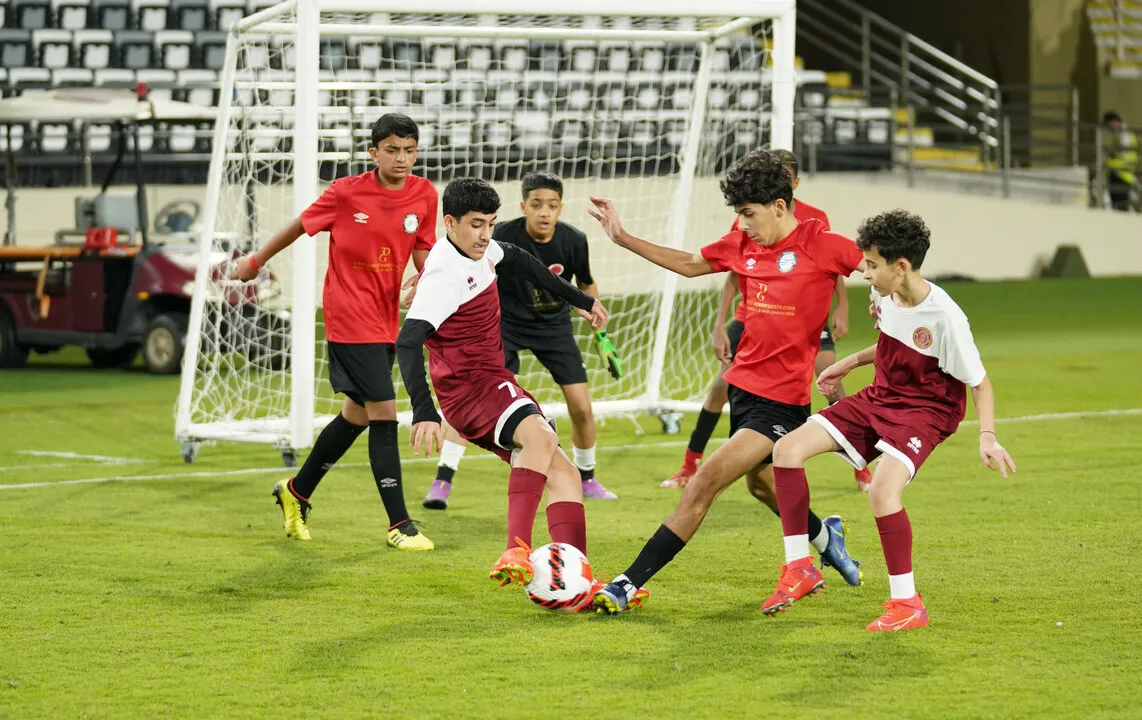
Youth sports development plays a transformative role in shaping confident, disciplined, and resilient young individuals. From local playgrounds to professional academies, structured training programs give children the tools they need to grow physically, mentally, and socially.
Parents often see sports as a way to keep kids active. Coaches see something deeper. They recognize leadership emerging during team drills, emotional control being tested under pressure, and character being built through both wins and losses.
In today’s competitive world, Youth sports development is not just about producing elite athletes. It’s about building healthier communities, fostering lifelong skills, and creating safe pathways for talent to flourish.
This comprehensive guide explores how structured programs work, why early engagement matters, and how evidence-based strategies ensure sustainable progress for young athletes.
Why Youth Sports Development Matters in Modern Society
The conversation around youth participation in sports has changed dramatically over the past decade. Screen time has increased, physical inactivity has become a concern, and mental health challenges are rising among adolescents.
That’s where Youth sports development becomes essential. It encourages consistent physical activity while nurturing teamwork and emotional resilience.
Research from global health organizations shows that children engaged in structured sports programs demonstrate better academic performance, improved concentration, and stronger social skills. The benefits go beyond the playing field.
From an EEAT perspective, credible youth programs are built on sports science, child psychology, and certified coaching frameworks. Expertise matters when shaping young minds and bodies.
Building Strong Foundations Through Youth Sports Development
Every successful athlete begins with fundamentals. Coordination, balance, agility, and discipline form the base of long-term athletic growth.
Effective Youth sports development programs focus on age-appropriate training rather than early specialization. Overtraining or pushing young athletes into a single sport too soon can increase injury risk and burnout.
For example, many Olympic champions participated in multiple sports during childhood. This multi-sport exposure improved adaptability and overall athleticism.
Coaches who understand growth stages adjust training intensity based on biological age rather than chronological age. This science-backed approach protects long-term potential.
The Role of Coaching in Youth Sports Development
Behind every thriving young athlete stands a dedicated mentor. Coaches influence confidence, mindset, and technical skill progression.
In Youth sports development, coaching is less about shouting instructions and more about building trust. Young athletes perform better when they feel supported rather than pressured.
Certified youth coaches undergo training in injury prevention, communication techniques, and safeguarding protocols. These standards ensure a safe and structured learning environment.
Good coaching also means recognizing individual differences. Not every child develops at the same pace, and personalized feedback plays a crucial role in sustained growth.
Physical Health Benefits Beyond Competition
One of the most visible advantages of Youth sports development is improved physical health. Regular training strengthens cardiovascular systems, builds muscle tone, and enhances flexibility.
Childhood obesity rates have risen globally, making structured activity programs more important than ever. Sports participation helps establish lifelong healthy habits.
Beyond fitness, sports improve motor skills and coordination. Activities like football, basketball, swimming, and athletics stimulate neuromuscular development during crucial growth years.
Early exposure to movement literacy builds confidence in physical environments, reducing the fear of trying new activities later in life.
Mental Strength and Emotional Intelligence
While physical development is vital, the psychological impact of Youth sports development is equally powerful.
Learning to cope with defeat teaches resilience. Celebrating success instills confidence. Working within a team strengthens communication skills.
Young athletes also develop goal-setting habits. Training cycles, performance reviews, and competitive milestones encourage structured thinking.
Sports psychologists often highlight that children engaged in team sports show improved emotional regulation and lower anxiety levels compared to inactive peers.
Academic Performance and Discipline
There is a common misconception that sports distract from studies. In reality, structured Youth sports development often complements academic success.
Time management becomes second nature when children balance practice sessions with homework. The discipline required in training translates into classroom focus.
Studies have found that student-athletes frequently display better attendance records and higher engagement in school activities.
When parents and educators collaborate with coaches, children receive consistent messaging about responsibility and commitment.
Community and Social Inclusion
Sports have a unique ability to bring diverse groups together. Youth sports development programs often act as community hubs where children from different backgrounds connect.
Inclusion initiatives ensure access for underprivileged families and differently-abled participants. Equal opportunity fosters confidence and belonging.
Grassroots academies in rural and urban regions alike provide structured pathways to higher-level competition. These programs also create safe spaces that protect youth from negative social influences.
Community-based leagues encourage parental involvement, strengthening family bonds through shared sporting experiences.
Talent Identification and Long-Term Athlete Pathways
Elite performance doesn’t happen overnight. Youth sports development frameworks include systematic talent identification and progression models.
Scouts and performance analysts evaluate skill potential, growth patterns, and mental attributes. However, ethical talent identification avoids labeling children too early.
Long-term athlete development models emphasize progressive training stages. These frameworks ensure physical maturity aligns with competitive exposure.
Many professional leagues now invest heavily in youth academies, recognizing that nurturing homegrown talent is more sustainable than relying solely on transfers.
Technology in Youth Sports Development
Digital tools are reshaping how coaches monitor progress. Wearable fitness trackers, video analysis apps, and performance dashboards have entered grassroots training environments.
In modern Youth sports development, data analytics helps prevent overtraining and track skill improvement objectively.
However, responsible use of technology is essential. Data privacy and age-appropriate implementation must remain priorities.
Parents should also avoid overemphasizing statistics. Numbers should guide development, not create unnecessary pressure.
Parental Support and Balanced Expectations
Parents play a central role in shaping a child’s sporting journey. Encouragement should focus on effort rather than results.
Healthy Youth sports development thrives when parents emphasize enjoyment and learning instead of trophies.
Overly competitive environments can lead to stress and dropout. Open communication between parents and coaches ensures alignment in expectations.
Children perform best when they feel loved and supported regardless of match outcomes.
Preventing Burnout and Injury
One of the challenges within Youth sports development is preventing early burnout. High training volumes without adequate rest can cause physical and emotional exhaustion.
Rest days, seasonal breaks, and cross-training activities reduce injury risks. Growth spurts require careful monitoring, as bones and muscles develop at different rates.
Certified trainers use evidence-based conditioning programs tailored to age groups. Injury prevention education should also be integrated into training sessions.
Promoting enjoyment alongside structured competition keeps participation sustainable.
Gender Equality and Expanding Opportunities
Girls’ participation in sports has increased significantly over the past decade. Structured Youth sports development initiatives now prioritize gender equity.
Scholarship programs, media visibility, and female coaching representation inspire the next generation.
Breaking cultural barriers requires consistent advocacy and safe environments. Equal access to facilities and competitions ensures balanced growth opportunities.
When girls see role models succeeding at professional levels, grassroots participation naturally rises.
Policy, Governance, and Ethical Standards
Effective Youth sports development relies on strong governance. National federations establish age-group competitions, coaching certifications, and safeguarding policies.
Transparency and accountability protect young participants from exploitation. Ethical standards ensure fair play and equal opportunity.
Collaboration between schools, private academies, and governing bodies creates cohesive development pathways.
Evidence-based policymaking strengthens the long-term sustainability of youth programs.
Long-Term Impact on Society
The benefits of structured Youth sports development extend into adulthood. Former youth athletes often demonstrate leadership qualities in workplaces and community initiatives.
Sports instill perseverance, adaptability, and teamwork—skills valuable in every profession.
Communities with active youth programs report lower crime rates and stronger civic engagement.
Investing in youth athletics is not just about medals. It is about building healthier, more resilient societies.
Future Trends Shaping Youth Sports Development
Emerging trends include hybrid training models, mental wellness integration, and data-informed coaching frameworks.
As digital platforms expand access to instructional content, rural communities gain new learning opportunities.
Sustainability is also becoming a priority. Eco-friendly facilities and responsible resource management align youth programs with global environmental goals.
The evolution of Youth sports development reflects broader societal shifts toward inclusivity, technology integration, and holistic well-being.
Communities, educators, policymakers, and families all share responsibility in nurturing young athletes. When structured thoughtfully and ethically, youth sports become far more than games—they become powerful platforms for growth, character, and lifelong opportunity.
Read also:
mexico national football team vs colombia national football team lineups
argentina national football team vs venezuela national football team lineups
australia national football team vs indonesia national football team stats
denmark national football team vs portugal national football team lineups