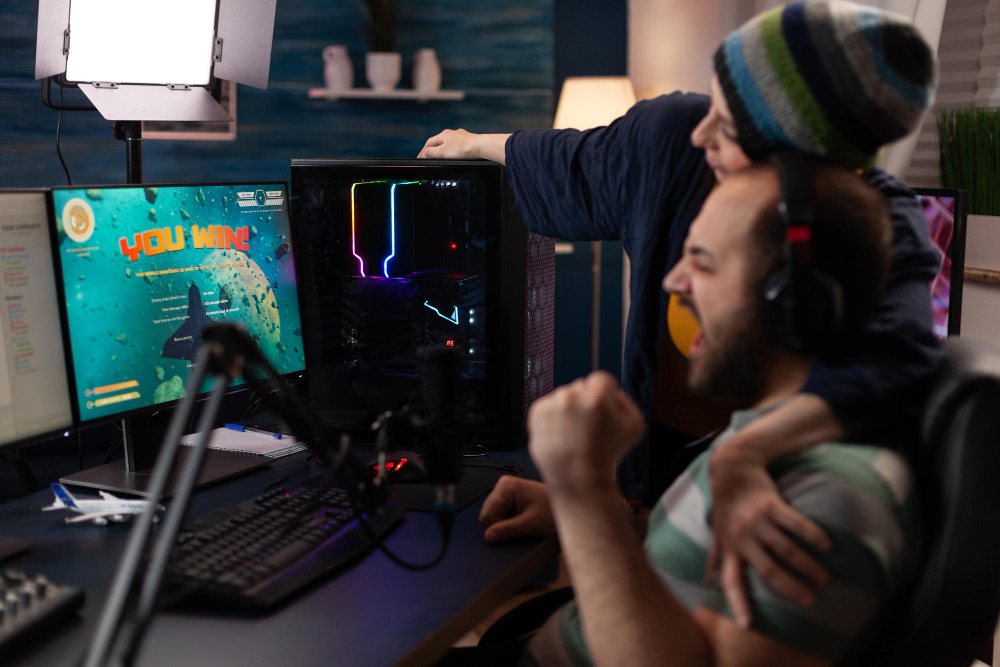
Gaming Multiplayer Strategies have become essential for competitive players seeking to dominate online arenas. In today’s gaming world, success is rarely about individual skill alone; teamwork, communication, and tactical planning often determine whether a team rises to victory or faces defeat. Understanding and implementing effective strategies not only improves performance but also enhances the overall gaming experience for all participants.
From fast-paced shooters to complex strategy games, multiplayer dynamics require players to coordinate moves, anticipate opponents, and make split-second decisions. Mastering these elements transforms casual gameplay into professional-level team performance.
The Role of Communication in Multiplayer Games
One of the most critical aspects of Gaming Multiplayer Strategies is communication. Teams that effectively share information about enemy positions, objectives, and resources gain a significant advantage. Clear, concise, and timely communication ensures that everyone knows their role and can adjust tactics on the fly.
Voice chat, in-game pings, and messaging systems help players coordinate attacks and defenses. For example, in games like “Valorant” or “Fortnite,” sharing intel about enemy locations or impending threats allows teams to avoid ambushes and plan counter-strategies. Teams that fail to communicate often experience missteps, friendly fire incidents, and missed objectives.
Role Specialization and Team Composition
Another key factor in successful multiplayer gaming is role specialization. Each player brings unique strengths to the team, and understanding these abilities allows for more cohesive gameplay. Tank characters absorb damage, healers support teammates, and DPS (damage per second) players focus on eliminating threats. Properly balancing these roles creates synergy and ensures the team can handle various in-game challenges.
For instance, in MMORPGs like “World of Warcraft” or team-based MOBAs like “League of Legends,” strategic selection of characters and roles directly impacts the team’s ability to control objectives, push lanes, and secure victories. Gaming Multiplayer Strategies that emphasize role clarity prevent overlap and maximize each player’s contribution.
Tactical Movement and Map Control
Controlling the game map is crucial for victory. Effective teams use Gaming Multiplayer Strategies to monitor key areas, secure high-value objectives, and predict enemy movements. Understanding map layouts, chokepoints, and resource locations enables teams to maneuver efficiently and set up advantageous positions.
Games like “Call of Duty” or “Overwatch” reward teams that coordinate rotations, hold strategic locations, and apply pressure where opponents are weakest. By controlling territory, teams force enemies into reactive positions, gaining momentum that can turn the tide of a match.
Adaptability and Counter-Strategies
Even the best-laid plans can fail, so adaptability is vital. Teams that can quickly adjust strategies in response to opponents’ moves maintain the upper hand. Recognizing patterns in enemy behavior and devising counter-strategies demonstrates advanced tactical awareness.
For example, if an opposing team consistently rushes a certain area, a counter-strategy might involve setting traps, rotating players defensively, or using diversion tactics. High-level competitive play rewards teams that think several steps ahead, anticipate opponents’ actions, and maintain flexibility under pressure.
Training and Practice Routines
Consistent practice enhances the effectiveness of Gaming Multiplayer Strategies. Teams that train together develop intuitive communication, synchronized movements, and rapid decision-making. Scrimmages against other teams or simulated scenarios help identify weaknesses and refine tactics.
Professional esports teams often dedicate hours to reviewing gameplay footage, analyzing opponents, and practicing specialized maneuvers. Even casual teams benefit from setting aside practice time to develop coordinated strategies, improve reaction times, and foster stronger team cohesion.
Psychological and Team Dynamics
The mental and emotional aspects of multiplayer gaming are often overlooked but are integral to success. Positive team dynamics, trust among players, and maintaining composure during intense moments significantly affect performance. Teams that support one another, provide constructive feedback, and stay focused under pressure execute Gaming Multiplayer Strategies more effectively.
Stress, frustration, or lack of cohesion can lead to mistakes, miscommunication, and missed opportunities. Implementing routines to boost morale, such as encouraging teammates or celebrating small victories, contributes to long-term success and enjoyment of the game.
Real-Life Examples of Successful Multiplayer Teams
Professional esports tournaments offer countless examples of effective Gaming Multiplayer Strategies in action. Teams like OG in “Dota 2” or Sentinels in “Valorant” demonstrate mastery of communication, adaptability, and role execution. Observing their strategies highlights the importance of teamwork, preparation, and strategic thinking.
These teams meticulously plan for each match, analyzing opponents’ tendencies and adjusting tactics accordingly. Their success is not purely based on individual skill but on collective execution, demonstrating the critical role of structured multiplayer strategies in competitive gaming.
Emerging Trends in Multiplayer Strategy
The evolution of multiplayer games continues to influence strategy development. AI-driven analytics, data tracking, and in-game performance metrics allow teams to refine their approaches. Gamers now use software to analyze match history, track efficiency, and identify areas for improvement.
Additionally, cross-platform multiplayer experiences demand new strategies as player bases diversify. Teams must account for varying skill levels, latency differences, and diverse playstyles. Keeping up with these trends ensures teams remain competitive in an ever-changing gaming landscape.
Applying Multiplayer Strategies Beyond Gaming
Interestingly, lessons learned from Gaming Multiplayer Strategies often translate to real-world team environments. Skills like communication, adaptability, resource management, and collaborative problem-solving are valuable in professional and educational contexts. Gamers practicing strategic thinking and coordinated teamwork can carry these abilities into their careers, enhancing productivity and collaboration.
By engaging in multiplayer gaming with intentional strategies, players not only improve in-game performance but also develop transferable skills that benefit other aspects of life.
Gaming Multiplayer Strategies encompass more than just winning tactics; they cultivate communication, coordination, adaptability, and mental resilience. Teams that understand the importance of roles, map control, and psychological dynamics perform at higher levels and enjoy a richer gaming experience. By mastering these strategies, both casual and competitive players can achieve success and make every match more engaging.
Read also:
never won a super bowl
how to archive classes in google classroom
shubman gill height ft
d brevis ipl